


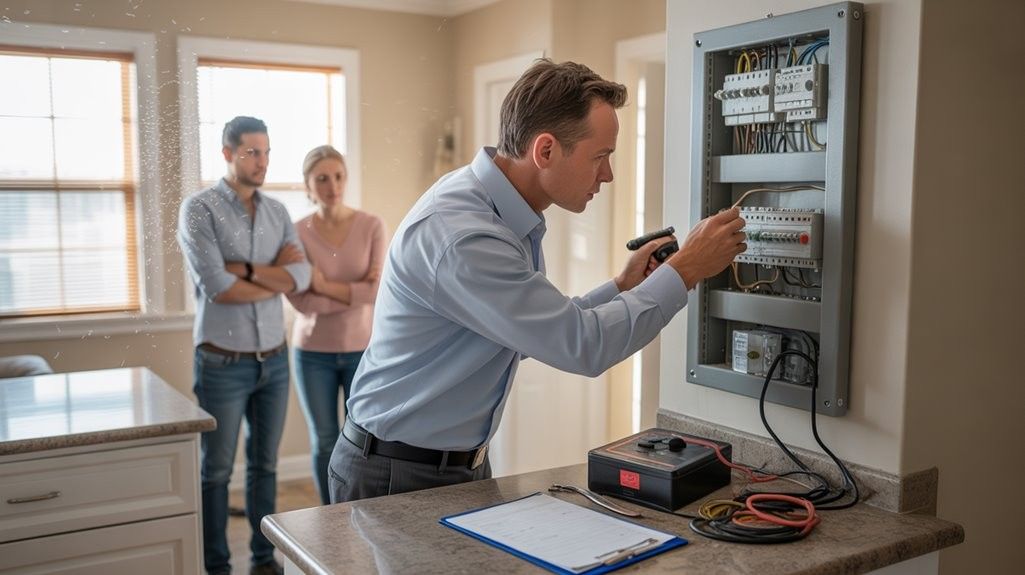
A home inspection typically examines structural elements, electrical systems, plumbing, HVAC, roofing, and foundation integrity. Sellers should expect scrutiny of common failure points like outdated wiring, leaking pipes, roof damage, and foundation issues. Preparation involves ensuring accessibility to all areas, addressing obvious maintenance problems, and organizing improvement documentation. This proactive approach demonstrates transparency, builds buyer trust, and can prevent renegotiations. Thorough preparation often leads to smoother negotiations and faster closings.
Key Takeaways
- Inspectors will thoroughly examine all major systems including electrical, plumbing, HVAC, structural elements, and check for safety hazards.
- The inspection typically takes 2-3 hours, during which you should plan to be away from the property.
- Expect the inspector to document all deficiencies, from minor cosmetic issues to significant structural problems requiring repair.
- Common inspection failures include outdated electrical systems, plumbing leaks, roof damage, and foundation issues.
- Buyers may request repairs, price reductions, or credits based on inspection findings, initiating a second round of negotiations.
- Working with Richland County Home Buyers allows you to skip the inspection process entirely by selling as-is.
What to Expect From a Home Inspection as a Seller to Avoid Failures

When sellers understand what home inspectors evaluate during an inspection, they can proactively address potential issues before they become deal-breakers.
Home inspections typically examine structural elements, electrical systems, plumbing, HVAC, roof condition, foundation integrity, and potential safety hazards.
Inspectors methodically review each area, documenting deficiencies ranging from minor cosmetic issues to significant structural problems.
They’ll test outlets, check for water pressure, examine attic insulation, and look for signs of water damage or pest infestation.
Understanding the Inspector’s Process:
Professional home inspectors follow standardized protocols that ensure comprehensive property evaluation. They typically spend 2-3 hours examining your property, though larger or older homes may require more time. During this period, they’ll photograph documentation of issues, take measurements, and create detailed notes that become part of the final report.
The inspection begins with a visual assessment of the exterior, progressing through the home’s major systems and structural components. Inspectors use specialized tools including moisture meters, electrical testers, and thermal imaging cameras to identify problems not visible to the naked eye.
Understanding this systematic approach helps sellers anticipate what inspectors will scrutinize most carefully. Areas with visible wear, older systems, or apparent maintenance issues receive extra attention and documentation.
The most common inspection failures include electrical problems (outdated wiring, improper installations), plumbing issues (leaks, corroded pipes), roof damage, foundation cracks, and inadequate drainage.
HVAC systems nearing end-of-life and wood rot from moisture exposure also frequently appear in reports. Water intrusion issues consistently rank among the most serious findings, as they can affect multiple systems simultaneously and indicate deeper structural problems.
Electrical problems are particularly common in homes built before modern code requirements. Inspectors look for outdated aluminum wiring, insufficient grounding, overloaded circuits, and missing GFCI outlets in wet areas—all safety concerns that buyers take seriously.
For sellers, understanding these focus areas allows for strategic pre-inspection repairs that can prevent negotiation complications and maintain the property’s value during the transaction process. Addressing known issues before listing eliminates surprises and demonstrates responsible homeownership that buyers appreciate.
For homeowners in areas like Mansfield, Ontario, or Shelby, understanding local inspection standards and common regional issues can help you prepare more effectively. Ohio’s climate creates specific challenges—freeze-thaw damage, moisture issues, and aging infrastructure—that inspectors in this region scrutinize closely.
Common Home Inspection Issues That Can Affect Your Sale

Deal-breakers lurk in many homes, waiting to be discovered during the inspection process. The most frequent issues inspectors flag include electrical problems such as outdated wiring, overloaded circuits, and missing GFCIs in wet areas.
Electrical System Concerns:
Electrical issues represent some of the most serious inspection findings because they present safety hazards. Inspectors look for:
- Outdated wiring systems (knob-and-tube, aluminum wiring)
- Improper DIY electrical work without permits
- Insufficient electrical service for modern demands
- Missing or improperly installed GFCI outlets in bathrooms and kitchens
- Overloaded circuits or electrical panels
- Exposed wiring or improper junction boxes
These problems can cost anywhere from $500 to $5,000+ to remediate, depending on severity. Buyers often request complete electrical upgrades before closing, or significant price reductions to cover the work.
Plumbing defects—leaking pipes, poor drainage, or outdated materials like polybutylene—can trigger significant repair negotiations.
Plumbing Issues That Raise Red Flags:
Plumbing problems range from minor inconveniences to major system failures:
- Leaking pipes or fixtures that cause water damage
- Outdated plumbing materials (galvanized steel, polybutylene, lead pipes)
- Poor water pressure indicating clogged pipes or inadequate supply
- Drainage issues or slow drains suggesting blockages
- Water heater problems (age, inadequate capacity, leaks, improper installation)
- Sewer line issues or septic system failures
Plumbing repairs can range from $150 for simple fixes to $5,000+ for major pipe replacements or sewer line repairs. Buyers typically insist on addressing active leaks before closing.
Structural concerns rank among the most serious findings, including foundation cracks, roof damage, and water intrusion evidence.
Structural and Foundation Problems:
Structural issues alarm buyers more than almost any other inspection finding because they’re expensive to repair and suggest deeper problems:
- Foundation cracks, settling, or bowing walls
- Structural movement or shifting
- Inadequate support beams or compromised load-bearing walls
- Roof damage, missing shingles, or improper installation
- Water intrusion evidence (staining, mold, rot)
- Improperly installed additions or modifications
Foundation repairs can cost $2,000-$15,000 or more, while roof replacements typically run $8,000-$15,000. These major expenses often become significant negotiation points or deal-breakers if sellers won’t address them.
HVAC systems frequently fail inspection due to improper installation, deferred maintenance, or systems approaching end-of-life. Inspectors test heating and cooling functionality, check for proper airflow, examine ductwork, and assess system age and efficiency.
Moisture issues in basements, crawl spaces, or attics often indicate deeper problems. Inspectors use moisture meters to detect hidden water intrusion that may not be visible but can cause extensive damage over time.
Many sales are affected by environmental hazards like radon, mold, lead paint in pre-1978 homes, or asbestos in older properties. These issues require specialized testing and remediation, adding complexity and expense to transactions.
Radon testing is increasingly common, and elevated levels require mitigation systems ($800-$1,500). Mold remediation costs vary widely depending on extent of contamination. Lead paint and asbestos require certified professionals for safe removal, with costs ranging from hundreds to thousands of dollars.
Even minor issues like non-functioning smoke detectors, broken windows, or inadequate insulation can accumulate into substantial negotiation points, potentially derailing otherwise promising transactions.
While individually minor, a long list of small problems creates an impression of deferred maintenance that concerns buyers. They often assume that if small, visible issues weren’t addressed, larger hidden problems may exist.
For sellers in communities like Ashland, Galion, or Loudonville, understanding which issues matter most in your local market can help you prioritize pre-inspection repairs. Some problems that seem minor can become major obstacles in your specific area based on buyer expectations and local standards.
Things That Fail a Home Inspection Most Often
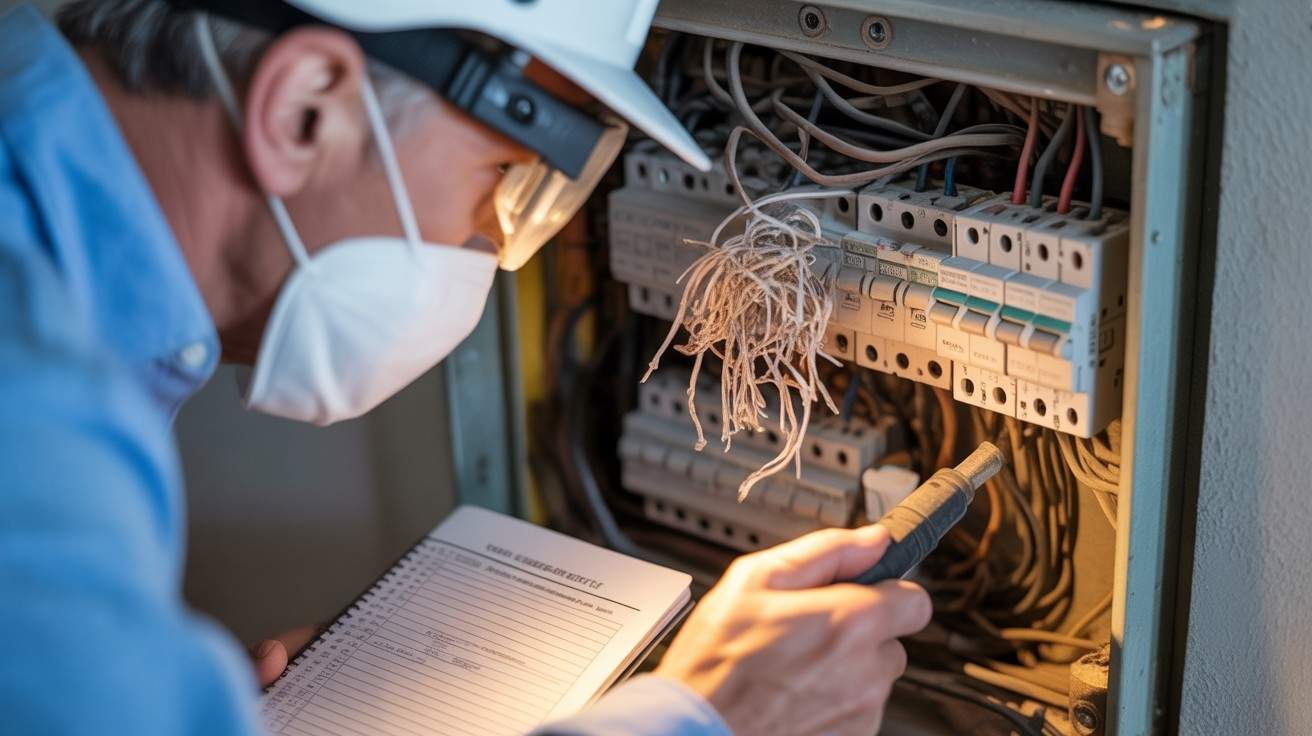
Home inspectors encounter certain deficiencies with remarkable consistency across properties nationwide. Understanding these common failure points helps sellers proactively address issues before listing their homes.
| System | Common Failures | Typical Repair Costs |
| Electrical | Outdated wiring, improper grounding, overloaded circuits | $400-$2,500 |
| Plumbing | Leaking pipes, outdated materials, poor drainage | $150-$3,000 |
| Roofing | Missing shingles, water damage, inadequate flashing | $500-$8,000 |
| Foundation | Cracks, settling, water intrusion | $2,000-$15,000+ |
Most inspection failures stem from deferred maintenance rather than catastrophic problems. Water damage consistently ranks among the most concerning issues, as it can affect multiple systems simultaneously. Structural concerns, particularly in older homes, trigger significant buyer hesitation. HVAC systems frequently fail inspection due to poor maintenance, inefficiency, or approaching end-of-life status.
Why These Systems Fail Most Often:
Electrical Systems: Many homes built before 1970 have electrical systems that no longer meet modern codes or demands. As homeowners add more electrical devices without upgrading service, systems become overloaded. DIY electrical work often doesn’t meet code requirements, creating safety hazards that inspectors must report.
Plumbing Issues: Plumbing materials deteriorate over time. Galvanized steel pipes corrode from the inside, reducing water pressure. Polybutylene pipes (common in 1970s-1990s construction) are prone to failure. Even copper pipes can develop pinhole leaks after decades of use. Additionally, improper DIY repairs often create new problems.
Roofing Problems: Roofs have finite lifespans (15-30 years depending on material), and many sellers try to squeeze extra years from aging roofs. Weather damage accumulates over time, and small problems left unaddressed become major issues. Improper installation or repairs void warranties and accelerate deterioration.
Foundation Concerns: Settlement is natural, but excessive movement indicates problems. Poor drainage around the foundation causes water infiltration. Expansive soils in some regions create ongoing pressure on foundations. Tree roots can damage foundations and plumbing.
Additional Common Failures:
Beyond the major systems, inspectors frequently document problems with:
- Windows and doors: Poor sealing, broken hardware, cracked glass, rotted frames
- Grading and drainage: Water flowing toward house rather than away
- Gutters and downspouts: Clogged, damaged, or improperly positioned
- Ventilation: Inadequate attic or crawlspace ventilation leading to moisture buildup
- Safety equipment: Missing smoke detectors, carbon monoxide detectors, or fire extinguishers
Addressing these common issues before inspection can prevent negotiation complications and maintain the seller’s position of strength. Even small repairs demonstrate care and attention that positively influences buyer perceptions.
For homeowners dealing with properties that have multiple inspection concerns, especially in older homes common throughout Bucyrus, Mount Gilead, or Lucas, the cost of addressing all issues can become overwhelming. In these situations, selling as-is to Richland County Home Buyers eliminates inspection worries entirely while still achieving your selling goals.
How to Prepare for Home Inspection as Seller
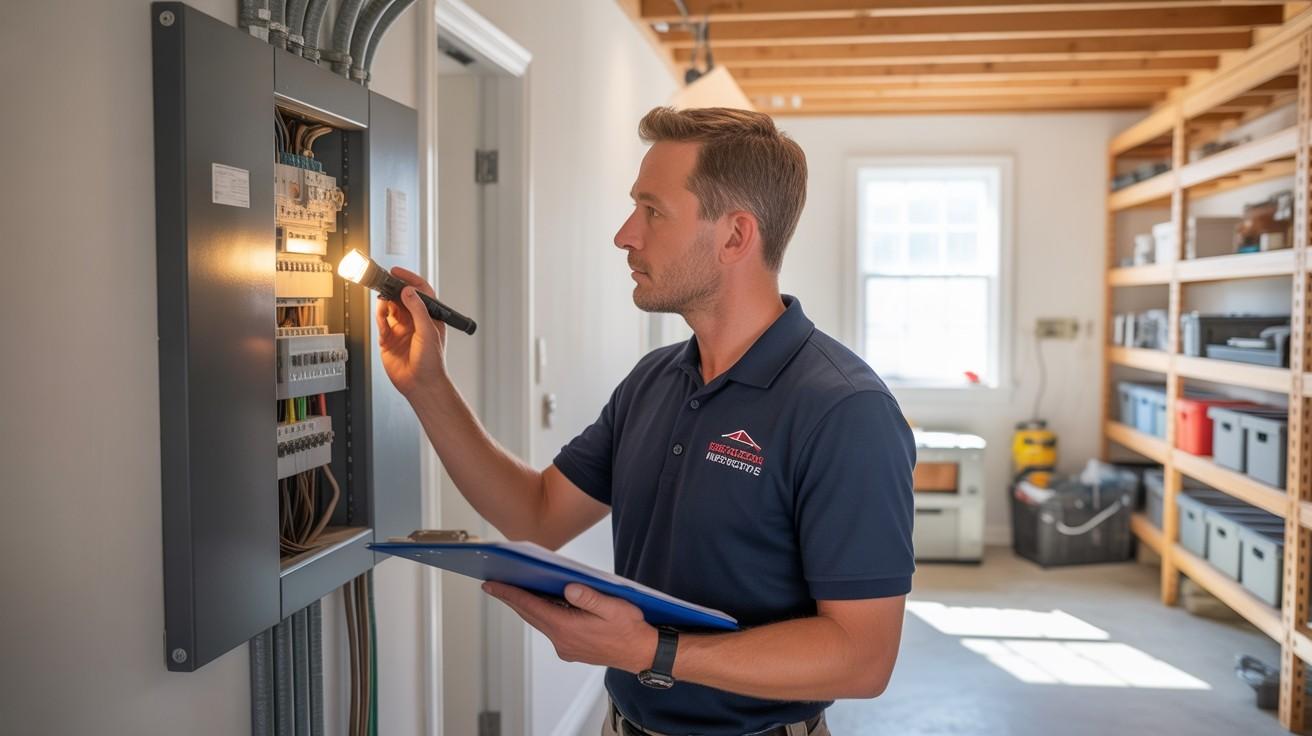
Preparing your property for inspection represents one of the most strategic investments a seller can make. A thorough pre-inspection preparation can identify and address potential issues before they become deal-breakers.
Start by ensuring all areas of the home are accessible, including attics, crawl spaces, electrical panels, and utility rooms. Inspectors cannot evaluate areas they cannot access, and inaccessible spaces raise red flags about what might be hidden.
Creating Full Accessibility:
- Clear paths to attic access panels and crawl space entries
- Remove stored items blocking electrical panels, water heaters, and HVAC equipment
- Unlock all doors including sheds, garages, and outbuildings
- Trim vegetation blocking access to exterior areas
- Provide keys or codes for locked areas
- Ensure garage door openers function properly
- Make roof access safe if inspector needs to physically examine it
Replace burned-out light bulbs throughout the home—dark spaces make inspection more difficult and suggest neglect. Test smoke and carbon monoxide detectors, replacing batteries as needed. Change HVAC filters to demonstrate regular maintenance.
Simple Pre-Inspection Fixes:
Address obvious maintenance issues like leaky faucets, loose doorknobs, stuck windows, and running toilets. These minor problems cost little to fix but create disproportionately negative impressions when left unaddressed.
- Tighten loose cabinet and door hardware
- Fix doors that stick or don’t latch properly
- Repair dripping faucets and running toilets
- Replace cracked outlet or switch covers
- Touch up obvious paint chips or scuffs
- Clean or replace dirty vent covers
- Fix torn screens
- Repair obvious cracks in walkways or driveways
Consider scheduling your own pre-inspection with a licensed inspector to identify problems in advance. This proactive approach allows time to make repairs before the buyer’s inspection occurs. Pre-inspections cost $300-500 but can save thousands in negotiation concessions or lost deals.
Benefits of Pre-Inspections:
Pre-inspections provide several strategic advantages:
- Identify problems on your timeline rather than under pressure during contract
- Choose your own contractors and potentially save on repair costs
- Decide which issues to fix and which to disclose without repairing
- Reduce buyer surprises that can derail deals or trigger renegotiations
- Demonstrate transparency that builds buyer confidence
- Have documentation ready to address buyer concerns
Gather documentation of any major repairs, renovations, or warranty information to demonstrate proper maintenance. Create an organized binder with:
- Receipts for major repairs or improvements
- Warranty documents for appliances, HVAC, roof, water heater
- Permits for renovations or additions
- Service records for HVAC, well, septic system
- Manuals for appliances and systems
- Documentation of any environmental testing (radon, well water, septic)
On inspection day, leave utilities connected—inspectors cannot evaluate systems that aren’t operational. Provide access to all areas without requiring inspector to search for keys or codes. Most importantly, vacate the premises to allow the inspector and potential buyers space to conduct a thorough evaluation.
Inspection Day Protocol:
- Ensure all utilities are on (electric, gas, water)
- Set thermostat to demonstrate both heating and cooling
- Remove pets or secure them away from property
- Leave property clean and welcoming
- Provide any necessary access information to buyer’s agent
- Don’t be present—buyers and inspectors prefer privacy
- Make yourself available by phone for questions
For sellers in Hayesville, Crestline, or Danville, thorough preparation can make the difference between smooth transactions and difficult renegotiations. Local inspection standards and buyer expectations vary, so understanding what matters in your specific market helps you prepare effectively.
Home Inspection Tips for Sellers to Maximize Value

Beyond preparation, strategic enhancements can significantly influence a home’s perceived value during inspection. Sellers should focus on improvements that address common inspection concerns while highlighting the property’s strengths.
Consider investing in professional pre-inspection reports for major systems like the roof, HVAC, and foundation. These documents demonstrate transparency and proactive maintenance, potentially neutralizing buyer concerns before they arise.
Strategic Pre-Inspection Documentation:
Having professional reports for major systems provides several advantages:
- Third-party verification of system condition and remaining lifespan
- Demonstrates proactive concern for buyer’s interests
- Provides specific documentation buyers can reference during their inspection
- Can justify asking price by documenting good condition of expensive systems
- Reduces buyer uncertainty that often leads to lowball renegotiation attempts
Reports typically cost $200-500 each but can save thousands in negotiations. Focus on the most expensive systems (roof, HVAC, foundation) if budget limits how many reports you can obtain.
Update visible fixtures like cabinet hardware, faucets, and light fixtures—small changes that create an impression of overall modernization. These improvements cost relatively little ($200-800) but suggest the entire home has been well-maintained and updated.
High-Impact, Low-Cost Updates:
- Replace dated cabinet hardware with modern styles
- Update light fixtures, especially in kitchens and bathrooms
- Install new faucets or faucet finishes
- Replace old outlet and switch covers with fresh white ones
- Update door hardware (handles, locks, hinges)
- Install modern house numbers and mailbox
- Replace dated bathroom accessories (towel bars, toilet paper holders)
These cosmetic improvements don’t address structural issues but significantly improve first impressions. Inspectors are human—homes that look well-maintained receive more favorable assessments than those appearing neglected, even when actual condition is similar.
Address obvious cosmetic flaws such as cracked tiles, peeling paint, or stained carpets, as these minor issues can disproportionately impact buyers’ perception of home quality.
Cosmetic Issues That Matter:
While technically cosmetic, these problems suggest deferred maintenance:
- Peeling or chipped paint (interior and exterior)
- Stained or damaged carpets
- Cracked or missing tiles
- Water stains on ceilings or walls
- Damaged countertops
- Worn or damaged flooring
- Dirty or stained grout
- Mold or mildew in bathrooms
Addressing these issues costs hundreds rather than thousands but prevents buyers from assuming larger problems exist. Fresh paint alone can transform a home’s appearance for $1,000-3,000, often returning several times that amount in sale price or negotiating strength.
Document all home improvements, maintenance records, and warranty information in an organized binder. This resource communicates responsible homeownership and provides inspectors with valuable context about the property’s history, often resulting in more favorable assessments.
What to Include in Your Documentation Binder:
Create a comprehensive record including:
- Major Systems: HVAC service records, furnace/AC age and efficiency ratings, water heater specifications
- Roof: Installation or replacement date, warranty information, repair records
- Renovations: Permits, contractor information, before/after photos, material specifications
- Appliances: Manuals, warranty cards, purchase dates
- Utilities: Average costs by season, energy audit results if available
- Pest Control: Treatment records, warranty information
- Well/Septic: Inspection and pumping records if applicable
- Property Improvements: Landscaping, deck/patio construction, driveway sealing
This documentation proves you’ve maintained the property properly and provides reassurance that reduces buyer anxiety. Many sellers find this binder becomes a selling point during negotiations when buyers see the comprehensive maintenance history.
For homeowners throughout Cardington, Ashley, or Perrysville, these strategic improvements and documentation efforts can significantly impact how buyers perceive your property during and after inspections.
However, if the thought of preparing for inspections feels overwhelming, or if your property needs extensive repairs that make traditional sales impractical, working with professional home buyers who purchase homes as-is provides a straightforward alternative that eliminates inspection stress entirely.
Home Inspection Seller Checklist for a Smooth Process
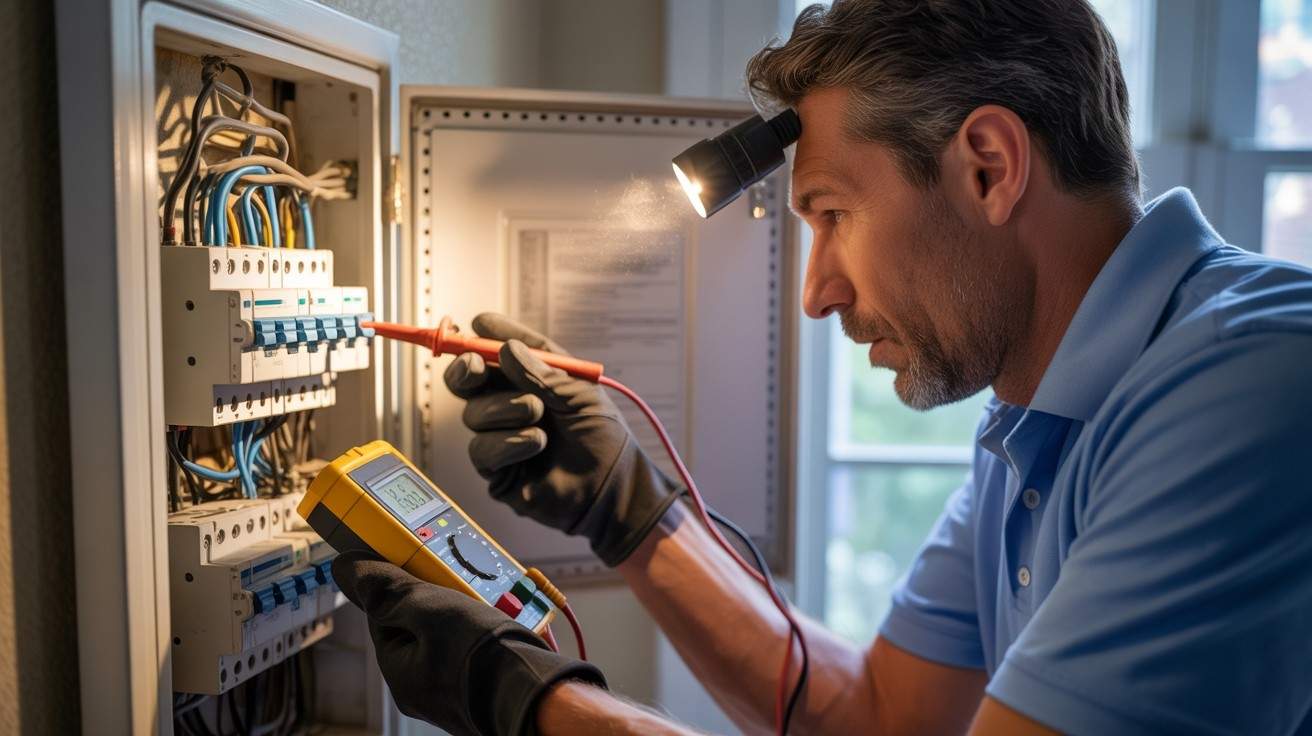
Create a comprehensive checklist to navigate the inspection process with minimal stress and maximum effectiveness. A well-organized approach allows sellers to maintain control during this critical phase of the home sale. By systematically addressing potential issues before the inspector arrives, sellers can prevent delays and preserve their negotiating position.
- Pre-inspection preparation – Complete a thorough cleaning, replace burnt-out light bulbs, test all appliances, and ensure access to utility areas like electrical panels, attics, and crawl spaces. Clean spaces allow inspectors to work efficiently and create positive impressions that influence overall assessments.
- Documentation organization – Compile maintenance records, warranties, and receipts for major repairs or improvements to demonstrate proper home care and validate the property’s condition. Having these documents readily available shows responsibility and transparency that buyers appreciate.
- Inspection day protocol – Vacate the premises during the inspection, secure pets, unlock all doors including outbuildings, and turn on all utilities to facilitate a comprehensive evaluation without interruptions. Buyers and inspectors prefer privacy to discuss findings openly without sellers present.
Complete Pre-Inspection Checklist:
Exterior Inspection Preparation:
- Clean gutters and downspouts
- Trim overgrown vegetation near the house
- Repair obvious damage to siding, trim, or fascia
- Ensure all outdoor lights work
- Clear away debris from around the foundation
- Test outdoor outlets and GFCI functionality
- Repair broken fencing or gates
- Ensure garage doors operate properly
Interior Preparation:
- Replace all burned-out bulbs
- Test all outlets and switches
- Fix leaky faucets and running toilets
- Clean HVAC filters or replace
- Test all appliances to ensure proper operation
- Tighten loose doorknobs and cabinet hardware
- Address stuck windows or doors
- Clean or replace vent covers
- Test smoke and carbon monoxide detectors
- Ensure water heater access and clear area around it
System-Specific Checks:
- HVAC: Schedule professional servicing, change filters, test both heating and cooling
- Plumbing: Check for leaks under sinks, test water pressure, ensure all drains work properly
- Electrical: Test GFCI outlets, ensure panel is labeled and accessible, fix obvious issues
- Appliances: Clean thoroughly, test all functions, provide manuals if available
Documentation to Have Ready:
- Property disclosure statement
- Maintenance and repair records
- Warranty information
- Permits for improvements
- Recent utility bills showing average costs
- Receipts for major purchases or improvements
Inspection Day:
- All utilities must be on and operational
- Provide clear access to all areas
- Remove pets from property
- Unlock all doors, gates, and storage areas
- Provide garage door opener or code if needed
- Leave property clean and well-lit
- Make yourself available by phone but not present on site
Following this comprehensive checklist ensures inspectors can complete their work efficiently while your property makes the best possible impression. Thorough preparation demonstrates the care you’ve taken with the property and reduces the likelihood of negative findings that could derail your sale.
For sellers in Polk, Northmor, or Jeromesville, working through this checklist methodically in the weeks before your anticipated inspection date ensures you’re fully prepared when the time comes.
How Inspectors Evaluate Your Home’s Systems and Structure

Home inspectors approach your property with methodical precision, evaluating each system and structural component through a systematic process. They typically begin with the exterior, examining the foundation, siding, roof, and drainage systems for structural integrity and water management capability.
Exterior Evaluation Process:
Inspectors walk the property perimeter looking for:
- Foundation cracks, settling, or bowing
- Proper grading that directs water away from the house
- Condition of exterior siding, paint, or stucco
- Roof condition from ground level (missing shingles, damaged flashing)
- Gutter and downspout functionality and proper positioning
- Condition of decks, patios, porches, and stairs
- Proper clearance between soil and siding
- Window and door condition and sealing
They photograph issues and take detailed notes that become part of the final report. Serious problems discovered during exterior evaluation may receive extended attention and documentation.
Moving inside, inspectors scrutinize electrical systems by testing outlets, examining the panel box, and identifying outdated wiring. They check for:
- Proper grounding and bonding
- Adequate service capacity for home size
- GFCI outlets in required locations (bathrooms, kitchens, garages, exteriors)
- Proper installation and labeling of electrical panel
- Evidence of amateur electrical work or code violations
- Aluminum wiring or other outdated systems
- Proper wire sizing for circuits
Plumbing inspections involve checking for leaks, water pressure issues, and proper drainage. Inspectors evaluate:
- Water supply lines and shutoff valve accessibility
- Drain and waste lines for leaks or damage
- Water pressure at multiple locations
- Hot water heater age, condition, and proper installation
- Plumbing materials and evidence of outdated systems
- Signs of leaks or water damage under sinks and around fixtures
- Proper venting of plumbing systems
HVAC systems are evaluated for efficiency, age, and maintenance status. Inspectors check:
- Heating and cooling functionality in all zones
- Filter condition and accessibility
- Proper installation and clearances
- Age of equipment and expected remaining lifespan
- Evidence of regular maintenance
- Adequate capacity for home size
- Proper thermostat operation
- Ductwork condition where visible
Structural elements receive particular attention as inspectors look for sagging floors, cracked walls, and compromised support beams. They’ll assess doors and windows for proper operation and sealing.
Structural Assessment:
Throughout the home, inspectors look for indicators of structural problems:
- Sloping or sagging floors
- Cracks in walls or ceilings (particularly if diagonal or stair-stepping)
- Doors or windows that stick or won’t close properly
- Visible gaps between walls and ceilings or floors
- Cracked or damaged support beams or joists
- Evidence of improper modifications to load-bearing walls
- Proper installation of additions or renovations
Inspectors also examine attics and crawlspaces for insulation adequacy, ventilation, and signs of moisture intrusion. These areas often reveal problems not visible in finished spaces:
- Proper insulation levels and installation
- Adequate ventilation to prevent moisture buildup
- Evidence of roof leaks or water intrusion
- Proper support structures
- Pest evidence or damage
- Electrical or plumbing installations in these spaces
Documentation occurs throughout with detailed notes and photographs that will appear in the final report. Inspectors create comprehensive records that buyers use to understand the property’s condition and identify repair priorities.
The Final Inspection Report:
Reports typically include:
- Summary of findings with major issues highlighted
- Photographs documenting problems and conditions
- Descriptions of all systems and their apparent condition
- Safety concerns requiring immediate attention
- Items needing repair or replacement
- General maintenance recommendations
- Estimated age and remaining lifespan of major systems
Understanding how thoroughly inspectors evaluate properties helps sellers appreciate why preparation matters. Every system and component receives attention, and problems—even those you thought were hidden—typically get discovered and documented.
For sellers throughout Richland County Home Buyers‘ service area, understanding the inspection process helps you prepare effectively. However, if the inspection process seems daunting, or if you know your property has issues that would complicate traditional sales, remember that selling as-is eliminates inspection concerns entirely.
Benefits of Being Prepared for a Home Inspection
While many sellers view home inspections with trepidation, thorough preparation offers substantial advantages throughout the selling process.
Being proactive about your home’s condition demonstrates transparency and builds trust with potential buyers, often resulting in smoother negotiations and faster closings.
Preparation yields three key benefits:
- Reduced surprises and renegotiations – Identifying and addressing issues beforehand prevents buyers from using inspection findings to demand price reductions or repairs late in the process. When inspection reports contain few significant findings, buyers have limited leverage for renegotiation, helping you maintain your asking price and contract terms.
- Stronger negotiating position – Documentation of recent repairs or maintenance demonstrates your home’s value and care, supporting your asking price and limiting buyers’ leverage. When buyers see comprehensive maintenance records and a property in good condition, they’re less likely to submit lowball repair requests or use inspection findings as reasons for price reductions.
- Faster closing timeline – Pre-emptively resolving common inspection issues eliminates delays that occur when buyers request repairs before proceeding, keeping your sale on schedule and reducing the risk of deals falling through. Smooth inspections mean fewer contingencies to resolve, shorter negotiation periods, and quicker paths to closing.
Additional Advantages of Inspection Preparation:
Reduced Buyer Anxiety: Well-maintained properties with good inspection reports reduce buyer uncertainty. When buyers feel confident about a home’s condition, they’re less likely to develop cold feet or continue shopping while under contract. This commitment helps ensure your deal closes successfully.
Better Appraisal Results: While inspections and appraisals serve different purposes, homes in good condition typically appraise better. Addressing inspection issues often means fixing problems that could also negatively impact appraisal values, helping ensure the property appraises at or above contract price—critical for buyers using financing.
Improved Reputation: In some markets, word spreads quickly about difficult transactions. Sellers who present well-maintained properties and handle inspections professionally earn positive reputations that can help with referrals or if you sell additional properties in the future.
Peace of Mind: Knowing you’ve prepared thoroughly reduces stress during the already-emotional selling process. Rather than worrying about what inspectors might find, you can feel confident that your preparation has addressed likely issues.
Competitive Advantage: In markets with multiple similar properties, homes that pass inspection with minimal findings stand out. Buyers comparing similar properties often choose the one with the cleanest inspection report, even if priced slightly higher.
For homeowners considering selling, preparation is one of the few aspects of the process entirely within your control. Unlike market conditions or buyer financing, your home’s condition is something you can directly influence through strategic preparation and repairs.
However, preparation isn’t always feasible or cost-effective. If your property needs extensive repairs, if you lack time or resources for comprehensive preparation, or if you simply want to avoid the uncertainty of inspection negotiations, selling as-is to Richland County Home Buyers provides certainty and simplicity that traditional sales cannot match.
FAQs
What is included in a home inspection when selling a house?
A home inspection typically examines structural elements, foundation integrity, electrical systems, plumbing, HVAC systems, roofing, drainage, insulation, and potential safety hazards. Inspectors test outlets, check water pressure, inspect attics and crawlspaces, and look for water damage, pest issues, and environmental hazards such as radon, mold, lead paint, or asbestos.
How long does a typical home inspection take?
Most home inspections take about 2-3 hours, depending on the property’s size, age, and condition. Larger homes or properties with multiple structures may require additional time, while smaller, newer homes may take less time.
Can I be present during the home inspection?
While sellers are not required to be present, it’s recommended to leave the property during the inspection. This allows the inspector and potential buyers to conduct a thorough evaluation without distractions and discuss findings openly. Make yourself available by phone for questions but give the inspection team privacy.
Do I need to fix everything before the inspection?
You don’t need to fix everything, but addressing obvious issues (like leaks, broken windows, missing GFCIs, or roof damage) can prevent major negotiation setbacks. Many sellers also opt for a pre-inspection to identify and repair issues proactively, which helps maintain negotiating leverage. Focus on safety issues and items that would raise immediate red flags for buyers.
Can a home inspection affect the sale price of my house?
Yes. Inspection findings can lead buyers to request repairs, price reductions, or credits. Proactively addressing problems and providing documentation of repairs or maintenance can protect your asking price and reduce the likelihood of renegotiations. Homes with clean inspection reports typically sell closer to asking price than those with significant findings.
What happens if the inspection reveals major problems?
If major issues are discovered, buyers typically request repairs, price reductions, or credits to cover fixing the problems. Sellers can agree to requests, negotiate alternative solutions, or refuse and risk the buyer walking away. Having backup offers or being in a seller’s market strengthens your negotiating position. In some cases, deals terminate if parties cannot agree on how to address major findings.
Should I get a pre-inspection before listing my home?
Pre-inspections can be valuable strategic investments ($300-500). They identify problems on your timeline, allow you to choose contractors and potentially save on repairs, help you decide what to fix versus disclose, and demonstrate transparency to buyers. Pre-inspections are particularly worthwhile for older homes or properties you suspect may have issues.
What if I can’t afford to make repairs identified in the inspection?
If repair costs exceed your budget, you have options: offer price reductions instead of making repairs, offer credits at closing, or consider selling as-is to buyers like Richland County Home Buyers who purchase homes in any condition without requiring repairs. As-is sales eliminate repair concerns while still achieving your selling goals.
Final Thoughts: What to Expect from a Home Inspection as a Seller
A home inspection is one of the most important steps in the selling process—and being prepared can make all the difference. Inspectors will carefully review your home’s structural elements, electrical systems, plumbing, HVAC, roofing, and foundation integrity. Preparing in advance by making repairs, allowing full access, and organizing documentation helps build buyer confidence, prevent renegotiations, and create a smoother path to closing.
Being proactive about potential issues before the inspection allows you to avoid costly surprises and maintain leverage in negotiations. This preparation is one of the smartest moves a seller can make to ensure a smooth, stress-free sale and a faster closing timeline.
Understanding what inspectors look for, preparing your property thoroughly, and documenting your maintenance history positions you for success in real estate transactions. While inspections can feel intimidating, sellers who approach them strategically often find they strengthen rather than weaken their negotiating position.
However, not every seller can or should complete extensive preparation. If you’re dealing with a property that needs significant repairs, or if you simply want to avoid the uncertainty and stress of inspection negotiations, alternative selling methods exist that eliminate these concerns entirely.
If you want to skip the stress entirely, you can explore our quick property sales option or even sell your house without repairs to save time and maximize your net proceeds.
Ready to Sell Your Home with Confidence?
Let Richland County Home Buyers make the selling process easy. We buy homes in any condition, offer fair all-cash offers, and handle everything from start to finish—so you can sell your home with peace of mind.
We proudly serve homeowners throughout Richland County and surrounding areas, including Mansfield, Ontario, Shelby, Ashland, Galion, Loudonville, Bucyrus, Mount Gilead, Hayesville, Crestline, Danville, Cardington, Ashley, Lucas, Perrysville, Polk, Northmor, and Jeromesville.
Whether your home needs inspection preparation or you prefer to sell without repairs, Richland County Home Buyers provides flexible solutions that work for your situation. No inspections, no repairs, no stress—just a straightforward path to closing that puts cash in your pocket quickly.
Contact us today to receive a fair cash offer, or visit our FAQ page to learn more about our process. Skip the inspection stress and discover how simple selling your home can be.