

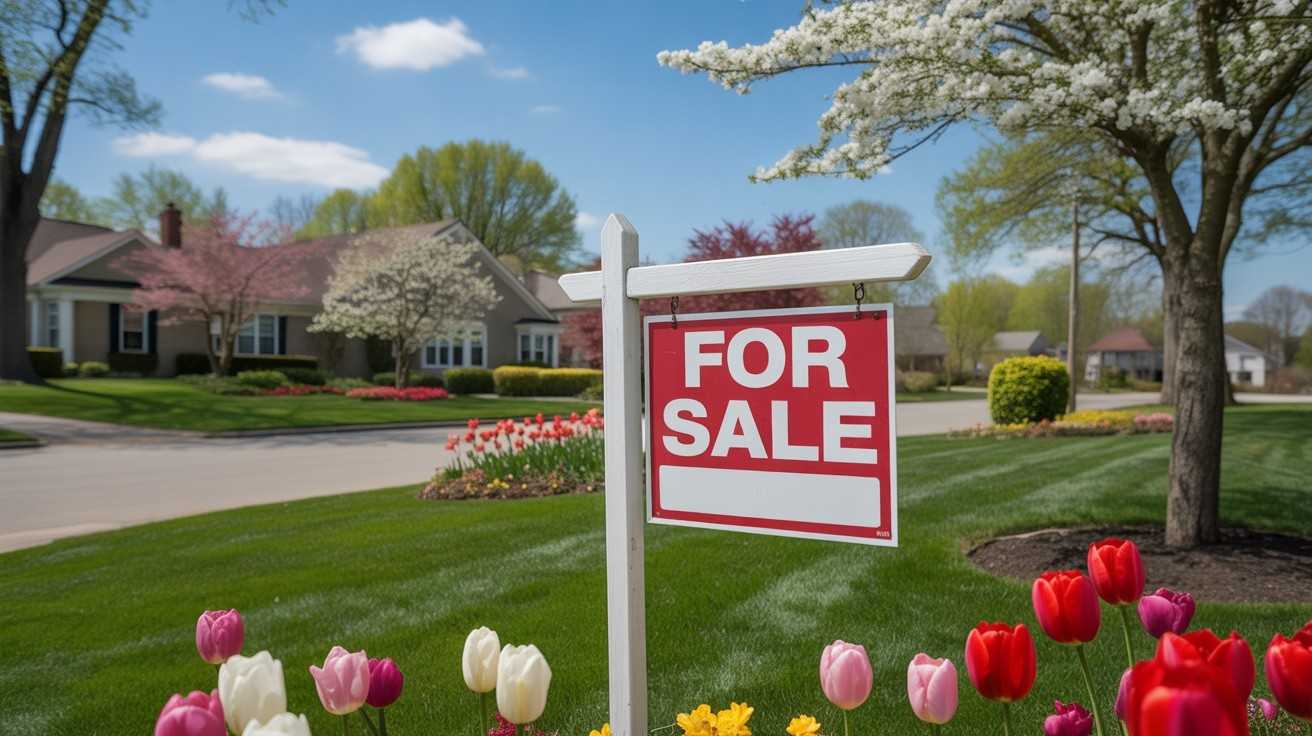
The best time to sell a house in Ohio is late spring to early summer. This period typically sees higher buyer demand, rising inventory, and more competitive offers. Spring activity often leads to faster closings and higher final prices. Prices can peak during this window, though results vary by property and pricing strategy. Late summer remains active but cooler. Autumn brings softer activity, while winter is slower but can work for strategic sellers. For a fuller picture, keep reading.
Key Takeaways
- Late spring to early summer typically yields higher buyer demand and stronger offers in Ohio.
- The peak period often results in higher prices and faster closings.
- Autumn and winter see softer buyer activity and longer time on market.
- Market conditions like inventory, employment, and mortgage rates shape timing, not just season.
- Practical steps: set a clear listing plan, work with a pro, and align pricing with current trends.
- Working with cash buyers like Richland County Home Buyers eliminates seasonal concerns by providing year-round purchase opportunities.
What Time of Year Is Best to Sell a House?

The timing of a sale affects activity, price, and speed of closing. In Ohio, data shows higher buyer interest in late spring and early summer, when weather is favorable and families plan moves around school schedules.
This period often coincides with more listings, viewings, and completed transactions, which can support stronger offers and quicker closings. Conversely, the worst time to sell a house tends to be late fall and winter, when fewer buyers are active and weather challenges limit showings.
Understanding Ohio’s Seasonal Patterns:
Ohio’s four distinct seasons create pronounced market patterns that significantly impact selling conditions. Spring brings renewal—both in nature and in buyer motivation. As temperatures warm and daylight extends, potential buyers emerge from winter hibernation ready to tour properties and make offers.
The psychological impact of spring shouldn’t be underestimated. Homes with good curb appeal shine in spring sunshine, landscaping looks its best, and the promise of summer outdoor living becomes tangible. This emotional connection often translates to stronger offers and fewer days on market.
Summer maintains momentum as families prioritize relocating before school starts in late August or early September. This urgency creates a compressed timeframe where motivated buyers must act quickly, benefiting sellers through competitive offers and streamlined negotiations.
Why Timing Matters More Than Many Sellers Realize:
The difference between listing in peak season versus off-season can mean:
- 10-15% higher sale prices in competitive spring markets compared to winter
- 30-60 fewer days on market during peak season versus slow periods
- Multiple offers creating bidding wars that drive prices above asking
- Better buyer quality as serious purchasers dominate spring markets while casual browsers are more common in off-season
While spring typically yields robust demand, market conditions and regional factors can shift dynamics. Sellers should consider local inventory, interest rates, and neighborhood performance before deciding.
Local Market Variations Within Ohio:
While statewide trends provide general guidance, local conditions significantly affect optimal timing:
Urban Markets (Columbus, Cleveland, Cincinnati): These areas often see extended selling seasons with activity remaining strong through early fall. Urban buyers are less constrained by school calendars and move year-round for employment opportunities.
Suburban Communities (Including Mansfield, Ontario, Shelby): School calendars drive timing intensely. Peak season is compressed into late spring/early summer, with dramatic drop-offs after school starts.
Rural Areas (Ashland, Galion, Loudonville): Seasonal patterns are even more pronounced due to weather impacts on property access and agricultural rhythms affecting local economies.
Understanding your specific market’s patterns helps you time your listing for maximum advantage. However, if timing flexibility is limited, working with professional home buyers who purchase year-round can provide excellent alternatives to seasonal market constraints.
Best Time to Sell a House for Higher Sale Prices in Ohio

In Ohio, selling for higher sale prices is most likely when listing occurs during late spring through early summer, aligned with peak buyer demand and favorable weather. This period typically correlates with elevated asking prices and faster negotiations, as buyers act quickly to secure desirable homes before summer vacations and school transitions.
Sellers can expect a larger pool of qualified buyers, reducing time on market and increasing the chance of competitive offers. Preparation, pricing accuracy, and staging remain critical, but timing plays a substantial role in price realization.
Why Spring Commands Premium Prices:
Several factors converge to create peak pricing power in spring:
Inventory Scarcity: While more homes list in spring, buyer demand typically exceeds supply, creating competitive conditions that drive prices up. Multiple offer situations become common, often pushing final sale prices above asking.
Buyer Psychology: Spring creates urgency. Buyers who’ve been searching all winter finally find renewed options and feel pressure to act before competition intensifies. Those who waited through winter to list their own homes add to buying pressure as they become motivated to secure their next property.
Financing Conditions: Lenders process more applications in spring, creating efficiency that speeds approvals. This reliability makes buyers more confident in making strong offers quickly.
Property Presentation Advantages: Homes simply show better in spring. Natural light, blooming landscaping, and comfortable temperatures for showings all contribute to emotional connections that justify premium prices.
Market resilience and regional variation mean neighborhoods with strong schools or amenities often see outsized gains during these months. Properties in communities like Bucyrus, Mount Gilead, or Lucas that offer good schools and family-friendly amenities particularly benefit from spring’s family-focused buyer pool.
Data-Driven Pricing Strategies for Peak Season:
Owners should monitor local listings and comparable sales to set realistic expectations. Review recently sold properties (not just listed properties) in your immediate area to understand true market values. Pay attention to:
- Days on market for comparable properties
- List price to sale price ratios
- Number of price reductions before sale
- Seasonal price trends over the past 3-5 years
- Current inventory levels versus historical averages
While spring-through-summer is advantageous, individual results depend on condition, pricing strategy, and marketing reach. Strategic listing timing, combined with professional guidance, supports higher sale prices in Ohio.
|
Season Window |
Typical Benefit |
| Late Spring | Higher demand and prices |
| Early Summer | Quicker closings and multiple offers |
When Premium Pricing Isn’t Everything:
While peak season offers highest price potential, it’s not always the best choice for every seller:
- Carrying Costs: If you’re paying a mortgage, insurance, taxes, and utilities while your home sits empty, waiting months for peak season may cost more than any price premium you’d gain
- Life Circumstances: Job relocations, divorces, inherited properties, or financial pressures often make immediate sales more valuable than waiting for seasonal premiums
- Property Condition: Homes needing significant repairs may not benefit from peak season exposure if they can’t compete with move-in-ready properties flooding spring markets
For sellers in these situations, working with Richland County Home Buyers provides fair pricing year-round without the uncertainty and carrying costs of waiting for peak season.
How the Ohio Real Estate Market Changes Throughout the Year
Ohio’s annual real estate pattern reflects a clear, data-driven rhythm: activity, prices, and days-on-market shift with the seasons.
In spring, inventory rises and demand strengthens, often pushing list prices higher and reducing time on market. Buyers return after winter, prompting more showings and competitive offers.
Spring Market Dynamics (March-May):
Spring represents the market’s awakening after winter dormancy:
Early Spring (March-Early April): The market begins stirring as temperatures moderate. Serious buyers who’ve been searching through winter act quickly on new listings before competition intensifies. Sellers listing now capture these motivated early-season buyers while facing less competition from other listings.
Peak Spring (Mid-April-May): This represents the market’s busiest period. Listing volume peaks, but buyer activity peaks even higher, creating competitive conditions. Multiple offer situations become commonplace, and well-priced, well-presented homes often sell within days of listing, frequently above asking price.
Market Characteristics:
- Average days on market: 15-30 days for well-priced homes
- List-to-sale price ratio: Often 98-102% in competitive situations
- Buyer competition: High, with multiple offers common
- Inventory: Rising but typically insufficient to meet demand
Summer typically sustains momentum, with durable buyer activity and faster closings as families coordinate moves before school resumes. Prices commonly peak in late spring or early summer, supported by higher sales volume and favorable financing conditions.
Summer Market Dynamics (June-August):
Summer maintains strong activity but with evolving characteristics:
Early Summer (June-Early July): Activity remains robust as buyers rush to close before school starts. Urgency drives quick decisions, and sellers still enjoy strong negotiating positions. However, vacation schedules begin affecting showing availability.
Mid-Late Summer (Late July-August): Activity gradually moderates as summer vacations peak and families prepare for school. Serious buyers remain active, but casual browsers thin out. Days on market may extend slightly, though pricing typically holds strong for well-presented properties.
Market Characteristics:
- Average days on market: 25-40 days
- List-to-sale price ratio: Typically 96-100%
- Buyer competition: Moderate to high early summer, moderating late summer
- Inventory: Stabilizing at elevated levels
By late summer, activity may temper, and days-on-market can lengthen modestly, though price declines are not guaranteed and depend on local market dynamics.
Fall Market Dynamics (September-November):
Autumn brings a softer market as holidays approach; buyers often proceed with urgency for year-end closings or plan for next year.
Early Fall (September-Early October): A brief resurgence occurs as buyers who paused for summer vacations re-engage. Parents settled into new school routines refocus on housing needs. However, overall buyer volume declines compared to summer.
Late Fall (Late October-November): Activity slows noticeably as holidays approach and weather deteriorates. Buyers become more selective, and price sensitivity increases. Sellers face longer marketing periods and often need to price more competitively to attract the smaller buyer pool.
Market Characteristics:
- Average days on market: 45-75 days
- List-to-sale price ratio: Typically 94-98%
- Buyer competition: Low to moderate
- Inventory: Declining as fewer sellers list
Winter generally features slower activity, but strategic sellers may still achieve favorable outcomes in localized markets with motivated buyers. For homeowners in areas like Hayesville, Crestline, or Danville, understanding these seasonal rhythms helps set realistic expectations and timing strategies.
Winter Market Dynamics (December-February):
Winter represents the market’s slowest period, but opportunities exist for both buyers and sellers:
Early Winter (December): Holiday distractions dominate. Most buyers pause searches to focus on celebrations and family. The few active buyers tend to be seriously motivated by job relocations or life circumstances requiring immediate housing changes.
Deep Winter (January-February): The market hits its annual low. Weather challenges limit showings, and buyer volume reaches its nadir. However, motivated buyers in this period face minimal competition and sellers willing to work with them can still achieve successful transactions.
Market Characteristics:
- Average days on market: 75-120+ days
- List-to-sale price ratio: Typically 92-96%
- Buyer competition: Very low
- Inventory: At annual lows as few sellers brave winter market
The Exception: Cash Buyers and Year-Round Opportunities:
While these seasonal patterns affect traditional sales, cash buyers like Richland County Home Buyers operate independently of seasonal constraints. We purchase properties year-round, providing consistent opportunities regardless of market timing and eliminating the carrying costs of waiting for optimal seasons.
The Worst Month to Sell a House in Ohio
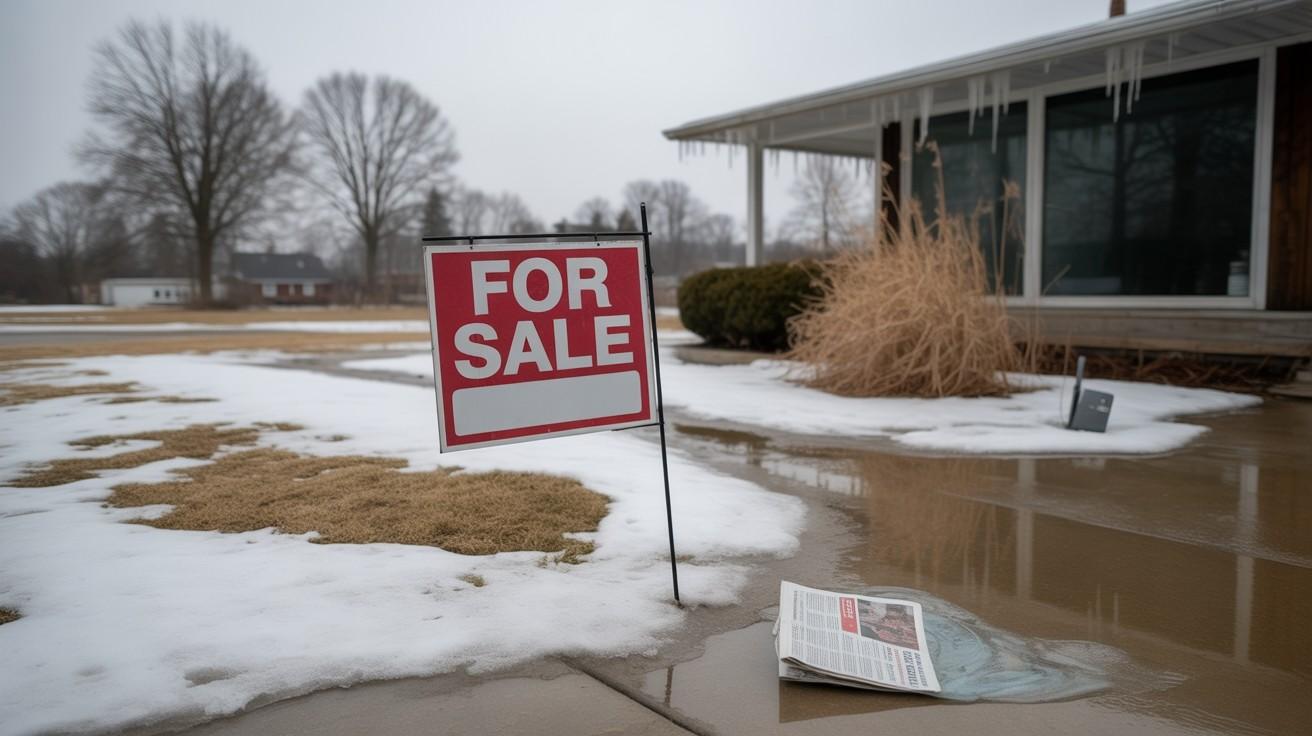
Late fall and early winter typically present the weakest selling window in Ohio, as demand cools, holiday distractions reduce buyer activity, and inventories rise in many areas.
Real estate observers note fewer showings and longer average days on market during these months. Listings that do appear often face increased price sensitivity, with buyers expecting concessions or aggressive pricing to reflect slower demand.
November-December: The Annual Low Point:
Why These Months Are Challenging:
Holiday Distractions: Thanksgiving through New Year’s creates a six-week period where potential buyers focus on family, travel, and celebrations rather than home shopping. Even motivated buyers often pause searches during this period, planning to resume after holidays.
Weather Challenges: Ohio’s winter weather creates multiple problems:
- Snow and ice make property access difficult
- Gray skies and bare landscaping reduce curb appeal
- Shorter daylight limits convenient showing times
- Cold temperatures discourage browsing and casual showings
Financial Considerations: Buyers face holiday expenses and year-end financial commitments that reduce available funds for down payments or make them reluctant to take on new obligations before evaluating year-end bonuses or tax situations.
Weather-related challenges can hinder viewing opportunities, further shrinking the pool of motivated buyers. Seasonal constraints may limit new construction activity, affecting overall selection and competition among sellers.
The Numbers Don’t Lie:
Data from Ohio markets consistently shows:
- Showing activity drops 40-60% compared to spring peaks
- Average days on market increases 50-100% or more
- Sale prices average 5-10% below peak season comparables
- Buyer-to-listing ratio heavily favors buyers, increasing their negotiating leverage
For homeowners considering a sale in this period, timing becomes a key risk factor: buyers prioritizing end-of-year budgets may act more cautiously.
January-February: Marginally Better But Still Challenging:
The New Year brings modest improvements but challenges remain:
Post-Holiday Resume: Some buyers who paused for holidays resume searches in January. However, winter weather remains problematic, and the buyer pool stays relatively small.
Tax Season Considerations: Many buyers wait for tax refunds or clarity on their financial pictures before committing to home purchases, delaying serious activity until late February or March.
Market resilience varies by subregion, but statewide trends typically show diminished competition and slower momentum compared with spring and summer.
When Winter Sales Make Sense:
Despite challenges, some sellers successfully navigate winter markets:
Motivated Buyers: The buyers active in winter tend to be seriously motivated by job relocations, life changes, or urgent housing needs. They face less competition and may move quickly on suitable properties.
Less Competition: Fewer listings mean your property faces less competition. In neighborhoods with limited inventory, even winter listings can attract attention.
Corporate Relocations: Companies transferring employees operate year-round, creating a steady stream of motivated buyers regardless of season.
Sellers who must list now should emphasize clarity in disclosures, maintain curb appeal despite weather challenges, and price realistically to avoid protracted market exposure.
Strategies for Winter Sellers:
- Price 5-10% below comparable spring sales to account for seasonal disadvantage
- Invest extra effort in interior staging and lighting to offset dark, cold exterior conditions
- Maintain clear walkways and driveways meticulously
- Keep the home warm and welcoming for showings
- Be extremely flexible with showing times to accommodate limited daylight
- Highlight features that matter in winter (efficient heating, insulation, storm windows)
For sellers in communities like Cardington, Ashley, or Perrysville who need to sell during winter months, working with Richland County Home Buyers eliminates seasonal concerns through guaranteed year-round purchase availability.
Factors that Impact the Best Time to Sell a House

Several factors shape the optimal timing to sell a home in Ohio, including seasonal demand cycles, local inventory levels, economic conditions, and financing activity.
These elements interact to influence prices, days on market, and buyer competition. Seasonal patterns often drive higher prices in late spring and summer, when families prefer moving before school resumes and outdoor appeal is strongest.
Understanding Multi-Factor Market Dynamics:
Successful timing requires analyzing how multiple factors interact rather than considering each in isolation:
- Seasonal Demand Cycles:
Beyond basic seasonal patterns, consider:
School Calendar Impact: In communities with high percentages of families with school-age children, the school calendar dominates timing. In areas with fewer families, seasonal effects moderate.
Weather Patterns: Ohio’s variable weather means spring arrives earlier in southern Ohio than northern regions, shifting optimal timing by several weeks. Lake-effect snow in northern areas extends winter’s negative impact.
Cultural Patterns: Holiday shopping seasons, summer vacation patterns, and regional events all influence when buyers are active versus distracted.
Inventory fluctuations matter; a lean market can tighten competition and lift prices, while oversupply can slow sales and compress margins.
- Local Inventory Levels:
Supply-demand balance significantly affects pricing power and days on market:
Months of Inventory: Real estate professionals calculate “months of inventory” by dividing current active listings by monthly sales pace. Generally:
- Under 3 months = strong seller’s market
- 3-6 months = balanced market
- Over 6 months = buyer’s market
Competing Listings: The number of directly comparable homes (similar size, price, condition, location) listed simultaneously significantly impacts your success. Even in peak season, listing when your street has three other similar homes for sale creates direct competition.
New Construction Competition: In areas with significant new construction activity, existing homes face additional competition, potentially requiring more aggressive pricing regardless of season.
Economic conditions, such as employment growth and wage trends, affect buyer confidence and willingness to commit to financing.
- Economic Conditions:
Broader economic factors shape market dynamics:
Employment Trends: Local job growth attracts buyers and supports prices. Layoffs or economic contraction reduce buyer pools and pressure prices downward. Ohio’s diverse economy means conditions vary significantly between regions.
Wage Growth: Inflation-adjusted wage increases expand buyer purchasing power, supporting higher prices. Stagnant wages limit how much buyers can afford, capping price growth.
Consumer Confidence: Economic optimism encourages major purchases like homes. Recession fears or economic uncertainty cause buyers to postpone purchases regardless of season.
Housing Affordability: The ratio of median home prices to median household income affects how many potential buyers can afford to purchase. As this ratio rises, buyer pools shrink, extending selling times.
Financing activity, including mortgage rates and lender underwriting standards, shapes accessibility and closing timelines.
- Financing Activity:
Mortgage market conditions dramatically impact buyer behavior:
Interest Rates: Even modest rate changes significantly affect buyer purchasing power. A 1% rate increase can reduce buying power by 10-15%, shrinking your potential buyer pool or forcing price adjustments.
Rate Direction: Rising rates create urgency as buyers rush to lock in rates before further increases. Falling rates may cause buyers to wait for additional declines.
Underwriting Standards: Tight lending standards reduce the number of qualified buyers. Looser standards expand buyer pools but may signal economic risks.
Down Payment Assistance: Program availability and funding levels affect entry-level buyer participation.
Regional variations within Ohio further complicate timing, as coastal markets may diverge from rural communities.
- Hyper-Local Considerations:
Neighborhood-specific factors often outweigh broader trends:
School District Reputation: Homes in highly-rated school districts maintain demand year-round, moderating seasonal effects. Properties in struggling districts face heightened seasonality as buyers with school-age children dominate the market.
Neighborhood Inventory: Your immediate neighborhood’s inventory matters more than citywide statistics. A neighborhood with five homes for sale faces different dynamics than one with none.
Recent Comparable Sales: Fresh comparable sales establish pricing benchmarks. In rapidly changing markets, six-month-old comparables may not reflect current conditions.
Infrastructure and Development: Planned improvements (new schools, shopping centers) or negative developments (highway expansions, commercial zoning) affect timing value.
Understanding these factors helps sellers anticipate market momentum, align listing strategies, and select an optimal window that balances desirable demand with limited competition.
For homeowners in Polk, Northmor, or Jeromesville, consulting with local real estate professionals helps you understand how these factors currently interact in your specific market, enabling data-driven timing decisions.
How Seasonality Affects Buyer Activity and Home Prices
Seasonality shapes both buyer activity and price levels by aligning demand with calendar and lifestyle patterns. In Ohio, spring and early summer typically see a surge in listings and activity as families move before school and outdoor nostalgia influences purchase decisions.
This period often yields more competitive offers and higher median prices, driven by a larger pool of qualified buyers and motivated sellers. Mid-summer activity can remain strong in suburban markets but may taper as vacations reduce showings and market days extend slightly.
The Psychology of Seasonal Buying:
Understanding buyer psychology explains why seasonality impacts pricing so significantly:
Spring Optimism: Spring awakening creates psychological associations with new beginnings, making buyers more receptive to major life changes like home purchases. This optimism translates to willingness to pay premium prices for properties that resonate emotionally.
Summer Urgency: School calendar deadlines create genuine urgency. Families with children feel time pressure to complete purchases before school starts, reducing price sensitivity when they find suitable homes.
Fall Hesitation: Approaching holidays and colder weather create psychological resistance to major commitments. Buyers become more cautious and price-sensitive, taking longer to decide and negotiating more aggressively.
Winter Selectivity: Cold, dark weather dampens enthusiasm. Buyers become highly selective, often viewing winter shopping as preliminary research for spring purchases rather than immediate buying opportunities.
Autumn generally experiences softer demand, which can depress pricing and slow closings, though some buyers still act for tax or relocation reasons. Winter shows the slowest activity, with fewer buyers and longer marketing times, potentially lowering prices.
Quantifying Seasonal Price Impacts:
While individual properties vary, general patterns emerge across Ohio markets:
Peak Season Premium (April-June):
- Properties often sell for 95-102% of asking price
- Multiple offers common, driving final prices above asking
- Quick negotiations (days rather than weeks) at strong prices
- Minimal concessions or repair credits required
Transition Periods (March, July-September):
- Properties typically sell for 93-98% of asking price
- Some negotiation expected but reasonable
- Moderate timeframes for offers and negotiations
- Some concessions for repairs or closing costs
Slow Season Discount (October-February):
- Properties often sell for 88-95% of asking price
- Significant negotiation expected
- Extended market times requiring price adjustments
- Substantial concessions often necessary
Market dynamics are also influenced by local inventory levels, mortgage rates, and regional economic conditions, which can shift seasonal patterns. Sellers benefit from recognizing these rhythms when timing listings.
Key Seasonal Dynamics:
- Seasonal demand aligns with school calendars and outdoor living trends
- More listings in spring expand buyer competition among sellers but increased buyer activity typically more than compensates
- Higher willingness to offer near asking or above in competitive spring/summer markets
- Slower late fall and winter activity dampens prices due to reduced buyer pools and increased price sensitivity
- Local factors (rates, inventory, employment) modify typical seasonal effects—strong local conditions can partially offset seasonal disadvantages
When to Override Seasonal Considerations:
Sometimes immediate sale makes more sense than waiting for peak season:
Financial Pressure: If carrying costs exceed potential seasonal premium, immediate sale maximizes net proceeds even at off-season pricing.
Life Circumstances: Job relocations, divorces, health issues, or estate settlements often necessitate sales regardless of season.
Market Momentum: In rapidly declining markets, selling immediately may capture more value than waiting months for peak season during continued decline.
For sellers in these situations, Richland County Home Buyers provides year-round fair pricing that eliminates both seasonal timing concerns and months of carrying costs while waiting for optimal seasons.
How Timing Can Help You Close Faster and for a Better Price

Timing is a key lever for shortening time on market and achieving stronger offers, as aligning listing dates with peak buyer activity and favorable financing conditions tends to compress closing timelines and elevate sale prices.
In Ohio, timing affects both buyer readiness and lender processing. Listing during periods of higher demand can prompt faster accepted offers and reduce negotiating cycles, while synchronized closings with favorable loan rates can shorten the overall timeline.
Strategic Timing for Faster Closings:
Multiple factors converge when timing creates optimal closing conditions:
Buyer Pool Depth: Peak season’s larger buyer pool means more potential buyers viewing your property quickly. With 100 active buyers rather than 20, you’ll likely receive offers within days rather than weeks.
Buyer Motivation: Spring/summer buyers often face external deadlines (school starts, lease expirations, job start dates) creating urgency that speeds decisions and reduces prolonged negotiations.
Lender Efficiency: During busy seasons, lenders process more applications, creating operational efficiency that can actually speed individual transactions despite higher volume. Experienced underwriters work faster, and lenders staff appropriately for seasonal demand.
Inspection Availability: Home inspectors, appraisers, and other service providers work full schedules in peak season but have capacity to accommodate quick timelines. In slow season, while availability seems better, lack of competition may reduce urgency.
Sellers who align marketing and showings with weekends and peak activity periods reduce idle time on the market and improve perceived urgency among buyers. Data indicate that homes priced competitively and shown with ample access to financing options often receive multiple bids, potentially increasing sale price relative to list.
Optimizing Your Listing Timeline:
Weekly Timing: List on Thursday or Friday so your property appears fresh in weekend searches when buyer activity peaks. Homes listed Monday-Wednesday often get lost as weekend searchers focus on newer listings.
Monthly Timing: List in the first week of each month. Buyers who’ve been searching all month become frustrated and receptive to new inventory. Those who received monthly relocation or job updates act on fresh information.
Seasonal Timing: In Ohio, target the April 15-June 15 window for absolute peak conditions. If you miss this window, the September brief resurgence can work but requires more competitive pricing.
Avoiding Poor Timing: Don’t list during holidays (Thanksgiving through New Year’s), major local events that distract buyers, or during severe weather events that limit showings.
Conversely, extended marketing without clear scheduling signals can lead to longer negotiations and delayed closings. Therefore, coordinating listing dates, showings, and lender expectations is a practical strategy to shorten time on market and improve outcomes.
Price Optimization Through Timing:
Strategic timing enables pricing strategies that maximize final sale prices:
Peak Season Aggressive Pricing: In competitive spring markets, pricing at or slightly above market value can work when multiple offers are expected. The competition justifies the premium, and final prices often exceed asking.
Transition Period Market Pricing: During moderate demand periods, price at fair market value based on recent comparables. This attracts serious buyers while avoiding extended market time.
Slow Season Competitive Pricing: Winter listings must price 5-10% below comparable spring sales to compensate for seasonal disadvantage. This pricing accounts for reduced buyer pools and creates relative value that attracts the motivated buyers who are active.
The Timing-Price Relationship:
Perfect timing can partially compensate for property limitations, while poor timing can undermine even excellent properties. A good home listed in peak season at fair pricing will outperform an excellent home listed in winter at the same price.
However, timing isn’t everything. Property condition, pricing accuracy, and marketing quality remain critical. The ideal approach combines optimal timing with thorough preparation and strategic pricing.
For sellers who can’t wait for optimal timing or who want certainty over seasonal gambling, Richland County Home Buyers provides fair year-round pricing that eliminates timing concerns while delivering reliable closing timelines regardless of season.
FAQs
What are the advantages of selling a house in the spring and summer?
Selling in late spring through early summer usually means more buyer demand, higher competition, and stronger offers. Homes tend to sell faster, often at higher prices, because families prefer to move before the new school year and the weather makes showings easier. Additionally, properties show better with blooming landscaping and longer daylight, creating emotional connections that support premium pricing.
Does selling in the fall or winter reduce my chances of selling?
Yes, activity typically slows in late fall and winter. Fewer buyers are looking, listings sit on the market longer, and buyers may expect price concessions. However, motivated buyers during this time can still lead to successful sales if homes are priced competitively and well-presented. The key is adjusting expectations—winter sales typically require 5-10% lower pricing than comparable spring sales and longer marketing periods.
How does Ohio’s housing market compare to other states in terms of timing?
Ohio’s market follows the same seasonal rhythm seen in many states—demand peaks in spring and summer, softens in fall, and slows in winter. Regional factors like school schedules, local job markets, and neighborhood desirability can slightly shift the best window, but overall trends are consistent with national patterns. Ohio’s four distinct seasons create more pronounced seasonality than southern states with milder climates.
How long does it typically take to sell a house in Ohio?
During peak season (late spring to early summer), homes often sell faster due to high demand, sometimes within weeks or even days for well-priced properties. In slower months like late fall or winter, days on market typically increase as buyer activity drops, which can extend the selling timeline to 60-120+ days. The condition, pricing, and location of your specific property significantly affect these timelines.
Should I wait for peak season if I need to sell soon?
Not necessarily. If you’re facing carrying costs (mortgage, insurance, taxes, utilities) while your home sits empty, waiting months for peak season may cost more than any seasonal price premium you’d gain. Additionally, if you have time-sensitive needs like job relocation or financial pressures, immediate sale often makes more sense than waiting. Calculate your monthly carrying costs and compare them to estimated seasonal price differences to make an informed decision.
Can I still get a good price selling in winter?
Yes, but expectations must adjust. Winter sales typically command 5-10% less than comparable spring sales due to reduced buyer competition and increased buyer leverage. However, motivated winter buyers often move quickly, so well-priced winter listings can still achieve successful outcomes with minimal market time. The key is realistic pricing that reflects seasonal realities.
What if I can’t control my selling timeline?
Many sellers face circumstances that dictate timing—job transfers, divorces, inherited properties, financial hardships. When optimal timing isn’t feasible, working with cash buyers like Richland County Home Buyers provides year-round fair pricing without seasonal fluctuations or extended market times, often resulting in better net proceeds than waiting months for peak season while paying carrying costs.
Final Thoughts
Selling a house in Ohio is about more than just picking a date—it’s about aligning your sale with peak buyer demand, competitive market conditions, and your personal timeline. While late spring to early summer remains the sweet spot for most sellers—offering stronger offers, quicker closings, and higher prices—autumn and winter can still be strategic windows for motivated sellers willing to price competitively and market effectively.
Understanding seasonal patterns empowers you to make informed decisions, but remember that timing is just one piece of the puzzle. Property condition, pricing strategy, marketing quality, and your personal circumstances all factor into optimal decision-making. The “best” time to sell is when it aligns with both favorable market conditions and your individual needs.
Your home sale success depends on timing, preparation, and the right partner. Whether you choose to list traditionally during peak season or explore alternative selling methods, understanding these seasonal dynamics helps you set realistic expectations and develop effective strategies.
Before you list, check out our step-by-step guide on how to sell a house in Ohio and learn what to expect when working with a professional home buyer. These resources will help you plan strategically and take the guesswork out of the process.
Ready to Sell Your House?
At Richland County Home Buyers, we make it simple. Whether you’re looking to sell your home during peak season for top dollar or need a quick, hassle-free cash offer in any market, our team is ready to help.
We proudly serve homeowners throughout Richland County and surrounding areas, including Mansfield, Ontario, Shelby, Ashland, Galion, Loudonville, Bucyrus, Mount Gilead, Hayesville, Crestline, Danville, Cardington, Ashley, Lucas, Perrysville, Polk, Northmor, and Jeromesville.
No commissions, no hidden fees, no costly repairs
Fair, all-cash offers tailored to your situation
Stress-free process handled from start to finish
Year-round purchasing that eliminates seasonal timing concerns
Unlike traditional sales where timing significantly impacts your results, Richland County Home Buyers provides consistent, fair pricing regardless of season. You don’t need to wait months for peak season, pay carrying costs while your home sits on market, or accept seasonal discounts because you need to sell during slow periods.
Contact us today for a free, no-obligation offer and discover how easy selling your house can be—regardless of what time of year it is. You can also visit our FAQ page to learn more about our straightforward process that works on your timeline, not the market’s seasonal calendar.
Don’t let seasonal timing concerns prevent you from moving forward with your life. Reach out to Richland County Home Buyers and see how we eliminate seasonal uncertainty while providing fair pricing and guaranteed closing dates.