


Essential tips for seniors selling homes after retirement include interviewing agents who specialize in senior needs, systematic decluttering, and considering emotional readiness. Professional staging and addressing maintenance issues enhance marketability. Seniors should understand capital gains exemptions and closing costs, typically 8-10% of the sale price. Memory preservation strategies like photography can ease the transition. Professional move managers offer valuable support during this significant life change.
Key Takeaways
- Interview real estate agents who specialize in senior transitions and understand the unique needs of older homeowners.
- Declutter systematically before listing to enhance marketability and simplify your upcoming move.
- Consider capital gains tax exemptions available to seniors when timing your home sale.
- Preserve memories through photography and journaling before selling to ease emotional transitions.
- Balance practical maintenance updates with budget constraints to maximize return without overspending.
- Working with experienced buyers like Richland County Home Buyers can simplify the process for seniors by eliminating repairs, showings, and lengthy closing timelines.
When Should Seniors Sell Their Home

Deciding when to sell a lifelong home represents one of the most significant decisions seniors face during retirement. The timing depends on several key factors that deserve careful consideration.
Many seniors selling their homes find that health concerns prompt the decision. When maintaining a property becomes physically challenging or when accessibility issues arise, selling becomes practical rather than optional.
Understanding Health-Related Triggers:
Physical limitations often signal it’s time to consider selling:
Maintenance Challenges: Multi-story homes become problematic when stairs cause difficulty. Yard work that was once enjoyable becomes burdensome or impossible. Winter snow removal or summer landscaping may require hiring help, eating into retirement budgets.
Accessibility Issues: Bathrooms without grab bars, narrow doorways that won’t accommodate walkers or wheelchairs, and lack of main-floor bedrooms all create daily challenges. While modifications are possible, they’re expensive and may not address all concerns.
Safety Concerns: Falls become more likely and more serious with age. Homes with multiple levels, slippery surfaces, poor lighting, or awkward layouts increase risk. When safety becomes a daily concern, selling often makes more sense than extensive modifications.
Healthcare Access: As healthcare needs increase, proximity to medical facilities matters more. Seniors in rural areas may find themselves driving long distances for routine appointments, creating stress and safety concerns.
Financial considerations also play a crucial role—selling after age 65 might be advantageous when housing markets peak or when retirement funds require supplementation.
Financial Timing Considerations:
Several financial factors influence optimal selling timing:
Market Conditions: Real estate markets cycle between seller’s and buyer’s markets. Selling during strong seller’s markets can mean significantly higher sale prices—sometimes 10-20% more than during buyer’s markets.
Tax Implications: The capital gains exclusion ($250,000 for individuals, $500,000 for couples) requires living in the home for two of the past five years. Timing your sale to maximize this benefit is crucial.
Retirement Income Needs: Home equity often represents seniors’ largest asset. Selling can fund retirement living, supplement fixed incomes, or provide resources for unexpected medical expenses.
Property Tax Burdens: Some seniors find property taxes consume increasing portions of fixed incomes. While many states offer senior property tax relief, selling and moving to areas with lower taxes or renting can provide significant savings.
Maintenance Cost Escalation: Aging homes require increasing maintenance. Major systems (roofs, HVAC, plumbing) typically need replacement every 15-30 years. Selling before facing these major expenses can preserve more equity.
Family circumstances often influence timing as well. Empty nesters may find their homes unnecessarily large, while others might want to relocate closer to children or grandchildren.
Family and Lifestyle Factors:
Beyond health and finances, personal circumstances shape timing:
Empty Nest Reality: Homes that once accommodated active families feel cavernous and lonely. Heating, cooling, and maintaining spaces that never get used wastes money and energy.
Geographic Relocation: Many seniors relocate to be near adult children and grandchildren, especially as they age and may need family support. Others move to warmer climates for health or preference reasons.
Lifestyle Changes: Retirement offers opportunities for new lifestyles—active adult communities, maintenance-free condos, or urban living near cultural amenities. The family home may no longer fit desired retirement activities.
Widowhood or Life Changes: Losing a spouse often triggers housing reassessments. The family home may hold too many memories, require too much maintenance for one person, or simply feel too large and empty.
Tips for seniors selling their homes include evaluating property tax burdens, considering future healthcare needs, and assessing neighborhood changes.
Practical Evaluation Checklist:
Before deciding when to sell, seniors should honestly assess:
- Can I safely and comfortably maintain this property for 5+ more years?
- Are my current and anticipated healthcare needs well-served by this location?
- Does the home’s value represent a disproportionate percentage of my net worth?
- Have neighborhood changes made this location less suitable for my needs?
- Would selling now allow me to relocate closer to family or desired amenities?
- Am I holding onto the home for emotional reasons despite practical concerns?
The ideal time emerges when selling aligns with both emotional readiness and practical necessity, creating a foundation for the next chapter of retirement living.
For seniors in communities like Mansfield, Ontario, or Shelby, understanding local market conditions and available senior housing options helps inform timing decisions. However, if circumstances necessitate selling regardless of market timing, working with professional home buyers can provide certainty and simplicity that traditional sales cannot match.
Emotional Aspects of Selling a Family Home
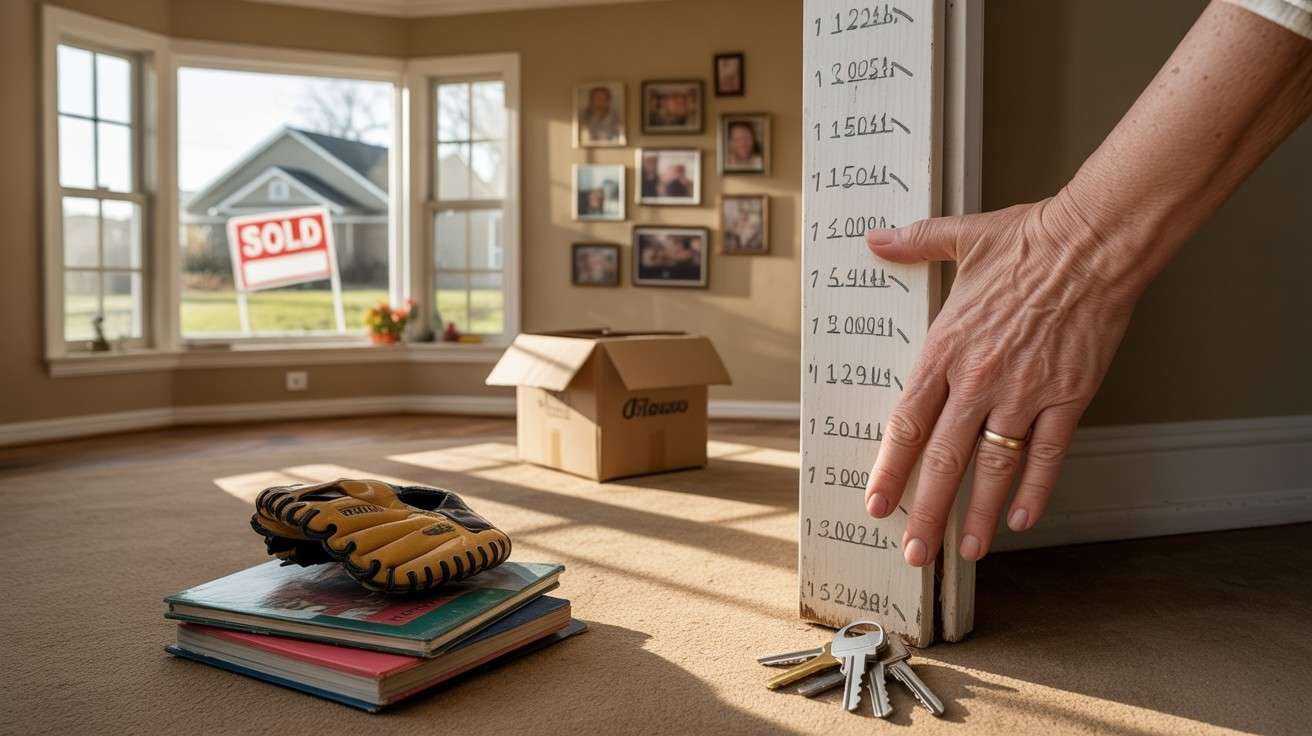
Beyond timing considerations lies the profound emotional journey that accompanies selling a longtime family home. The walls that have witnessed decades of memories—birthdays, holidays, and everyday moments—now represent both a cherished past and a necessary transition.
Acknowledging these feelings is essential for seniors navigating this significant life change.
The Depth of Attachment to Long-Term Homes:
For many seniors, their home represents far more than property:
Identity and Self-Worth: Homeownership, especially long-term ownership of a well-maintained property, often forms part of personal identity. “I’m a homeowner” or “I’ve lived in this house for 40 years” becomes part of how seniors define themselves.
Physical Repository of Memories: Every room, every corner holds memories. The kitchen where holiday meals were prepared for decades. The backyard where grandchildren played. The living room where family gathered. These spaces don’t just contain memories—they are the memories in many ways.
Connection to Deceased Loved Ones: For widows and widowers, the home represents the last physical connection to their spouse. The home they shared, improved together, and built a life in. Leaving it can feel like leaving the spouse behind.
Accomplishment and Pride: For many seniors, their home represents their life’s greatest financial accomplishment and investment. They bought it when starting out, raised families in it, improved it over decades. It’s tangible proof of their hard work and success.
Anxiety About the Unknown: Fear accompanies leaving the familiar. Will the new place feel like home? Will I lose my independence? What if I regret this decision? These anxieties compound the emotional difficulty of selling.
- Recognize grief as natural – Feelings of loss when leaving a home of 30+ years are normal and deserve space and respect. Selling a longtime home is a genuine loss that triggers grief similar to other major life transitions. Don’t minimize these feelings or try to “get over them” quickly.
- Create memory preservation strategies – Document spaces through photographs, journaling, or video before moving. Consider creating memory books with photos and stories about each room. Some seniors find it helpful to take small physical items (doorknobs, tiles, garden stones) as tangible memory keepers.
- Involve family appropriately – Share the process without burdening loved ones with excessive emotional labor. Adult children often want to help but may struggle with their own emotions about the family home. Clear communication about needs and boundaries helps everyone navigate this transition.
- Focus on future possibilities – Balance honoring the past with excitement about new freedoms and opportunities. The new living situation offers freedom from maintenance, proximity to desired amenities or family, and opportunities for new experiences. Both the past and future deserve recognition.
Practical Strategies for Emotional Management:
Gradual Transition When Possible: If circumstances permit, spending time in the new living situation before selling completely can ease the transition. Some seniors rent in their new location while keeping the house, allowing gradual adjustment.
Ritual and Ceremony: Some families find it helpful to hold a “goodbye ceremony” before leaving—gathering one last time, sharing favorite memories, or simply saying goodbye to each room. These rituals provide closure.
Maintaining Connections: Staying in touch with former neighbors, visiting the old neighborhood occasionally (if local), and keeping photos of the home can help maintain positive connections to the past while moving forward.
Reframing the Decision: Instead of focusing on what’s being lost, focusing on what’s being gained helps—freedom from maintenance, resources to enjoy retirement, closer proximity to family, safer living environment.
Accepting Mixed Emotions: It’s normal to feel both sadness and relief, grief and excitement, simultaneously. These contradictory emotions don’t cancel each other out—they can coexist.
Professional support from senior move managers or therapists specialized in life transitions can provide valuable guidance through this emotional terrain.
When to Seek Professional Emotional Support:
Consider professional help if:
- Grief becomes debilitating and prevents moving forward with necessary tasks
- Depression or anxiety significantly increases during the process
- Family conflicts arise that you cannot resolve
- Physical health declines due to stress
- Sleep or eating patterns significantly change
- You find yourself unable to make necessary decisions
For seniors in areas like Ashland, Galion, or Loudonville, local senior service organizations often provide counseling or support groups for major life transitions, including selling longtime homes.
When emotional aspects of selling feel overwhelming, working with compassionate professionals like Richland County Home Buyers who understand the unique challenges seniors face can significantly reduce stress through simplified processes and respectful treatment throughout the transaction.
Tips for Seniors Selling Their Homes

While emotional considerations form an essential foundation, practical strategies significantly impact both the selling experience and financial outcome for seniors transitioning from long-held homes.
Seniors should interview multiple real estate agents who specialize in working with older adults and understand their unique needs.
Choosing the Right Real Estate Professional:
Not all agents are equally equipped to work with senior sellers:
Senior Real Estate Specialist (SRES) Designation: Agents with SRES credentials have completed specialized training in senior housing, financial and legal considerations, and the emotional aspects of selling a longtime home. While not mandatory, this designation indicates commitment to serving senior clients.
Experience with Senior Transitions: Ask prospective agents how many senior clients they’ve worked with, what challenges commonly arise, and how they address them. Experienced agents understand that seniors may need more time, patience, and different communication styles.
References from Senior Clients: Request references from other seniors they’ve helped sell homes. Speaking with peers who’ve been through the process provides valuable insights into how the agent actually works with senior clients.
Understanding of Senior-Specific Issues: Good agents understand reverse mortgages, senior tax exemptions, estate planning considerations, and how home sale proceeds might affect Social Security or Medicare benefits.
Decluttering systematically—starting with unused rooms—can make the process less overwhelming while preparing the home for showings.
Strategic Decluttering Approach for Seniors:
Decades of accumulation create unique decluttering challenges:
Start Early and Pace Yourself: Begin months before listing, not weeks. Work in short sessions (30-60 minutes) to avoid fatigue and emotional overwhelm. Set realistic goals—one room or even one closet per week.
Room-by-Room Strategy:
- Start with spaces that hold fewest emotional attachments (garage, basement storage)
- Move to functional spaces used daily (kitchen, bathrooms)
- Save emotionally-charged spaces for last (bedrooms, photo collections)
Four-Box Method: For each space, use four boxes/areas:
- Keep – Essential items moving to new home
- Donate/Sell – Usable items others can benefit from
- Family – Items family members may want
- Discard – Broken or unusable items
Dealing with Valuable Possessions: Many seniors have collections, antiques, or items they believe are valuable. Getting professional appraisals for truly valuable items prevents either leaving money on the table or cluttering the new home with items that aren’t actually valuable.
Family Involvement: Allow adult children to claim wanted items early in the process. This prevents regrets and conflicts after items are donated or discarded.
Simple updates often yield substantial returns: fresh paint in neutral colors, minor repairs, updated lighting, and professional cleaning can dramatically improve marketability without major investments.
Cost-Effective Updates for Senior Sellers:
Focus improvements where they matter most:
High-Impact, Low-Cost Updates:
- Fresh paint in neutral colors ($1,000-2,500 typically returns 50-100% on investment)
- Deep professional cleaning ($200-500 makes dramatic difference)
- Updated lighting fixtures ($300-800 modernizes appearance)
- Cabinet hardware replacement ($100-300 refreshes kitchens and bathrooms)
- Landscaping refresh ($500-1,500 enhances crucial curb appeal)
Strategic Repair Prioritization:
- Safety issues first – Handrails, trip hazards, electrical problems
- Visible damage second – Holes in walls, broken tiles, damaged flooring
- Functional problems third – Leaky faucets, stuck windows, door issues
- Cosmetic updates last – Only if budget permits after essentials
What NOT to Update: Avoid major renovations (kitchen remodels, bathroom remodels) unless absolutely necessary for sale. Seniors rarely recoup these investments and the stress and disruption usually aren’t worthwhile.
Many seniors benefit from hiring move managers who specialize in helping older adults downsize and relocate efficiently.
The Value of Senior Move Managers:
Senior Move Managers (certified through the National Association of Senior and Specialty Move Managers) provide comprehensive assistance:
Services Typically Offered:
- Creating floor plans for new space to determine what fits
- Organizing and coordinating entire moves
- Decluttering and downsizing assistance
- Estate sale or donation coordination
- Packing and unpacking services
- Setting up the new home completely (including hanging pictures and arranging furniture)
- Cleaning the old home after move-out
Cost-Benefit Analysis: Move managers typically charge $50-150 per hour or fixed project fees of $1,500-5,000 depending on scope. While not cheap, they save seniors enormous stress, physical strain, and time while often preventing costly mistakes.
When Move Managers Are Particularly Valuable:
- Seniors with limited family nearby to help
- Complex downsizing situations with decades of accumulation
- Health limitations preventing physical involvement in moving
- Emotional difficulty making decisions about possessions
- Time-compressed moves due to health or financial circumstances
Timing matters too—understanding local market seasonality can influence sale prices significantly.
Seasonal Timing for Senior Sellers:
While general seasonal patterns favor spring and summer sales, seniors may have unique considerations:
Why Seniors Might Sell Off-Season: Health crises, facility move-in dates, financial pressures, or family circumstances often dictate timing regardless of optimal market seasons. Understanding this reality, smart seniors work with professionals who can achieve good outcomes even in slow seasons.
Advantages of Off-Season Sales for Seniors: Lower buyer volume means less disruptive showing schedule. Serious buyers active in winter tend to move more quickly. Less competition from other listings provides more individual attention.
Working with Market Cycles: Seniors with flexibility should generally list in spring (April-June) for maximum buyer competition and prices. However, don’t let market timing prevent necessary moves when health or other factors dictate earlier action.
Seniors should also consider tax implications, including capital gains exclusions specifically available to homeowners over 55, and how proceeds might affect retirement income streams or benefits eligibility.
Tax Planning for Senior Home Sales:
Several tax considerations deserve attention:
Capital Gains Exclusion: Single homeowners can exclude $250,000 of gains ($500,000 for married couples) if they’ve lived in the home two of the past five years. Timing sales to maximize this benefit is crucial.
Medical-Related Modification Deductions: Certain accessibility modifications (ramps, grab bars, widened doorways) made for medical reasons may be deductible or may reduce taxable gains.
Impact on Medicare/Social Security: Large lump sums from home sales don’t affect Social Security benefits but might temporarily increase Medicare premiums through Income-Related Monthly Adjustment Amount (IRMAA) calculations.
State Tax Considerations: Some states offer additional senior tax benefits. Understanding state-specific rules prevents surprises.
Consulting Tax Professionals: Given complexity, seniors should consult tax professionals specializing in retirement issues before selling to optimize tax outcomes and avoid unintended consequences.
For seniors in communities like Bucyrus, Mount Gilead, or Lucas, working with local professionals who understand regional market conditions and senior-specific needs provides significant advantages.
However, for seniors who find traditional sales processes overwhelming—with their demands for showings, repairs, and lengthy timelines—working with Richland County Home Buyers offers simplified alternatives that eliminate stress while providing fair pricing and respectful treatment throughout the process.
How to Prepare Your Home for Sale

Transforming a decades-filled home into an appealing property for potential buyers requires strategic planning and emotional detachment. Seniors should focus on creating a neutral, spacious environment that allows potential buyers to envision themselves living in the space rather than feeling like visitors in someone else’s home.
- Declutter and depersonalize – Remove excess furniture, personal photographs, and accumulated belongings that can make rooms appear smaller or distract buyers from seeing the home’s potential. This doesn’t mean making the home look unlived-in, but rather creating a canvas where buyers can imagine their own lives.
Deep Decluttering Strategies:
The One-Third Rule: Remove approximately one-third of furniture from each room. Rooms feel more spacious and buyers can better assess room sizes and layouts.
Personal Item Removal: Pack away:
- Family photos and personal artwork
- Religious items or political memorabilia
- Collectibles and display items
- Refrigerator magnets and personal notes
- Prescription bottles and personal care items
- Excessive books, magazines, and media
Creating Visual Space: Clear countertops (kitchen and bathrooms), organize closets so they appear half-empty (buyers always look), and minimize items on shelves and tables.
- Address deferred maintenance – Fix leaky faucets, replace broken tiles, and repair any visible damage that might raise concerns during inspections.
Priority Maintenance Repairs:
Buyers interpret deferred maintenance as evidence of larger hidden problems:
Critical Repairs to Address:
- Plumbing leaks (under sinks, around toilets, in basements)
- Electrical issues (non-functioning outlets or switches, exposed wiring)
- Roof leaks or visible roof damage
- HVAC systems that don’t function properly
- Foundation cracks or water intrusion evidence
- Broken windows or damaged screens
- Stuck doors or windows
- Missing or damaged trim, baseboards, or moldings
Cost-Benefit Analysis: Not all repairs make financial sense. If repairs would cost $10,000 but only increase sale price by $5,000, consider selling as-is and adjusting price accordingly. Many seniors find this math favors selling as-is, especially to cash buyers like Richland County Home Buyers who purchase properties in any condition.
- Consider professional staging – Consult with a real estate agent about whether professional staging would benefit the property’s presentation and potentially increase its value.
Staging Considerations for Senior Homes:
Professional staging typically costs $2,000-5,000 but can increase sale prices by 5-15% while reducing time on market:
When Staging Makes Sense:
- In competitive markets where homes must stand out
- When homes have been on market without offers
- For dated homes that need visual updating
- In higher price points where staging costs are smaller percentages of value
When Staging May Not Be Necessary:
- Strong seller’s markets where homes sell quickly
- Lower price points where staging costs are disproportionate
- When selling as-is to investors or cash buyers
- Recently updated homes that show well already
Partial Staging Options: Some seniors benefit from “staged consultations” where professionals suggest rearrangement and removal strategies without fully staging. This middle ground costs $150-500 and provides actionable advice without full staging expense.
- Create curb appeal – Enhance the exterior with simple landscaping improvements, a fresh coat of paint on the front door, and clean walkways.
Curb Appeal Essentials:
First impressions form within seconds of buyers arriving:
High-Impact Curb Appeal Improvements:
- Landscaping refresh – Trim overgrown shrubs, add colorful annuals, refresh mulch, edge beds
- Front door refresh – Fresh paint in welcoming color, new hardware, working doorbell
- Clean walkways and driveway – Power wash concrete, repair cracks, eliminate weeds
- Exterior cleaning – Wash windows, clean gutters, remove cobwebs
- Lighting – Ensure porch lights work, consider adding landscape lighting
- Mailbox and house numbers – Replace if damaged or dated
Budget-Friendly Curb Appeal: Most effective curb appeal improvements cost under $1,000 total and can be completed in weekends with modest effort or by hiring handymen.
Special Considerations for Senior Sellers:
Seniors may struggle physically with home preparation tasks. Options include:
- Hiring handymen or contractors for physical work
- Enlisting family help (though this can create emotional complications)
- Working with realtors who provide pre-sale preparation services
- Selling as-is to buyers like Richland County Home Buyers who eliminate preparation requirements entirely
For seniors in Hayesville, Crestline, or Danville, balancing preparation costs and effort against expected return requires honest assessment of physical abilities, financial resources, and local market conditions.
Taxes and Costs When Selling a House After Age 65

Understanding the financial implications of selling a home during retirement represents a crucial step for seniors navigating this significant transition. Seniors should be aware of potential capital gains tax exemptions, which allow individuals over 55 to exclude up to $250,000 ($500,000 for married couples) of profit from taxation if they’ve lived in the home for at least two of the past five years.
Capital Gains Exclusion Details:
The primary tax benefit for senior home sellers deserves thorough understanding:
Qualifying for the Exclusion:
- Must have owned and lived in the home as primary residence for at least 24 months during the five years before sale
- The 24 months don’t need to be consecutive
- Can generally use exclusion once every two years
- Special rules apply for widows/widowers, disabled individuals, and military personnel
Calculating Taxable Gains:
Gain = Sale Price – (Original Purchase Price + Capital Improvements + Selling Costs)
Example: Home bought for $100,000, $50,000 in improvements over years, sells for $400,000, $30,000 in selling costs:
- Gain: $400,000 – ($100,000 + $50,000 + $30,000) = $220,000
- Excluded gain (single): $220,000 is under $250,000 limit, so $0 tax owed
- Excluded gain (married): Well under $500,000 limit, so $0 tax owed
When Gains Exceed Exclusions:
Seniors with very valuable homes may face taxes on gains exceeding exclusion limits. Consult tax professionals about strategies like:
- Timing sales to maximize exclusions
- Documenting all capital improvements to increase cost basis
- Understanding state capital gains taxes which vary significantly
- Considering installment sales or other structured approaches
Beyond tax considerations, seniors should budget for closing costs, which typically range from 8-10% of the sale price. These include real estate agent commissions (5-6%), transfer taxes, attorney fees, and potential repairs identified during inspections.
Complete Closing Cost Breakdown:
Understanding all costs prevents surprises:
Typical Seller Closing Costs:
Real Estate Commissions (5-6% of sale price):
- Listing agent commission: 2.5-3%
- Buyer’s agent commission: 2.5-3%
- On $300,000 sale: $15,000-$18,000 typically
Title and Escrow Fees ($500-2,000):
- Title search and insurance
- Escrow or settlement services
- Recording fees
Transfer Taxes (varies by location, 0.1-2% typically):
- State transfer taxes
- County or municipal transfer taxes
- On $300,000 sale in Ohio: typically $1,000-3,000
Attorney Fees ($500-1,500 if applicable):
- Some states/transactions require attorney involvement
- Reviewing contracts and managing closing
Repairs and Concessions (varies, potentially $0-10,000+):
- Repairs identified during inspection
- Buyer-requested credits
- Home warranty costs if offered
Miscellaneous ($200-500):
- Mortgage payoff fees
- Prorated property taxes
- HOA fees if applicable
- Utilities through closing
Total Example: On a $300,000 sale, total costs might be:
- Commissions: $16,500
- Title/escrow: $1,200
- Transfer taxes: $2,000
- Attorney: $1,000
- Repairs: $3,000
- Miscellaneous: $400
- Total: $24,100 (approximately 8%)
Selling to Cash Buyers: Working with Richland County Home Buyers eliminates most closing costs—no commissions, typically no repair costs, minimal fees—often saving sellers $15,000-25,000 compared to traditional sales.
Some seniors may qualify for property tax deferrals or exemptions based on age and income.
Additional Tax Benefits and Considerations:
Senior Property Tax Relief Programs:
Many jurisdictions offer seniors property tax benefits:
- Homestead exemptions reducing assessed values
- Property tax freezes at current levels
- Property tax deferrals allowing payment delays
- Circuit breaker programs limiting taxes as percentage of income
Understanding these programs helps with timing—selling before or after certain birthdays or income changes can affect benefit eligibility.
Impact on Means-Tested Benefits:
Large lump sums from home sales can temporarily affect:
- Medicaid eligibility (if within lookback periods)
- Supplemental Security Income (SSI)
- Some prescription drug assistance programs
- State-specific benefit programs
Strategies to Minimize Impact:
- Timing sales relative to benefit applications
- Spending down proceeds on exempt assets (prepaying burials, home furnishings for new residence)
- Structured settlements or installment sales spreading income over time
- Converting proceeds to excluded resources (annuities in some cases)
Consulting with a tax professional who specializes in senior finances can help identify additional deductions related to selling costs and medical-related home modifications that might offset taxable gains.
When Professional Tax Advice Is Essential:
Seniors should consult tax professionals when:
- Gains may exceed exclusion limits
- Property was partially rental or business use
- Selling within two years of spouse’s death (special rules apply)
- Previous exclusions were used recently
- Complex ownership situations (trusts, joint ownership with non-spouses)
- Receiving government benefits that might be affected
- Significant medical home modifications were made
- Previous property exchanges or rollovers complicate basis calculations
The cost of professional tax advice ($300-1,000 typically) is minuscule compared to potential tax savings or prevented mistakes.
For seniors in communities like Cardington, Ashley, or Perrysville, working with local tax professionals familiar with Ohio state tax rules and regional property tax programs provides additional value beyond federal tax expertise.
Legal Considerations for Seniors Selling Homes

Beyond the financial aspects of selling a home, seniors must navigate several important legal considerations to protect their interests and ensure a smooth property transfer.
Understanding these legal elements can prevent complications and provide peace of mind during this significant transition.
- Power of Attorney – Establishing a durable power of attorney ensures a trusted individual can handle real estate transactions if the senior becomes unable to do so due to health issues.
Power of Attorney Planning:
This legal tool becomes particularly important as seniors age:
Types Relevant to Real Estate:
General Durable Power of Attorney: Allows designated agent to handle all financial matters including real estate transactions. “Durable” means it remains effective even if the principal becomes incapacitated.
Limited Power of Attorney for Real Estate: Grants specific authority for particular real estate transactions only. Useful when seniors can still handle most affairs but need assistance with one transaction.
Springing Power of Attorney: Only becomes effective upon specific triggering events (usually incapacity certification by physicians). Some title companies are hesitant to accept these.
Timing Considerations: Powers of attorney must be executed while the senior has legal capacity. Waiting until after cognitive decline begins is too late—courts must then appoint guardians through expensive, time-consuming proceedings.
Choosing the Right Agent: Select someone trustworthy, financially responsible, and capable of handling complex transactions. Consider naming successor agents in case the primary agent cannot serve.
Title Company Acceptance: Before relying on POA for home sales, verify that title companies will accept it. Some require specific language or have restrictions on timing.
- Estate Planning Implications – Consulting with an elder law attorney about how the home sale affects existing wills, trusts, and overall estate plans.
Integrating Home Sales into Estate Plans:
The family home often represents the estate’s largest asset:
Trust Considerations:
Revocable Living Trusts: If the home is in a trust, trustees have authority to sell without court involvement. However, trust language must specifically authorize sales. Review trust documents before listing.
Irrevocable Trusts: More complex—sales may have tax implications and may require court approval or beneficiary consent depending on trust terms.
Transfer Issues: If the home isn’t already in the trust but the estate plan assumes it will be, selling creates planning gaps that need addressing.
Will Updates:
Wills often specifically bequeath the family home to particular beneficiaries. Selling requires will amendments to:
- Remove specific home bequests
- Redirect proceeds to appropriate beneficiaries
- Adjust residuary estate calculations
- Update executor instructions
Gift and Estate Tax Implications:
While most seniors’ estates fall below federal estate tax exemptions ($13.61 million individual/$27.22 million couple in 2024), some state estate taxes have lower thresholds. Large home sales might push estates over state limits.
Joint Ownership Considerations:
Joint Tenancy with Rights of Survivorship: All joint owners must consent to sales. This can create complications if co-owners are incapacitated, out of state, or disagree about selling.
Tenancy in Common: Each owner can sell their share, but this creates complicated ownership situations that often reduce property value.
Life Estate Arrangements: If seniors hold life estates with remainder interests to children, selling requires all parties’ cooperation and creates tax complexities.
- Disclosure Requirements – Understanding state-specific obligations to disclose property defects and maintenance history to potential buyers.
Ohio Disclosure Requirements:
Ohio law requires specific property disclosures:
Residential Property Disclosure Form:
Ohio sellers must complete disclosure forms covering:
- Structural issues (foundation, roof, walls)
- Systems (plumbing, electrical, HVAC)
- Water intrusion or drainage problems
- Environmental hazards (lead paint, radon, mold)
- Past repairs and modifications
- Zoning or legal issues
- HOA or special assessments
Material Facts Disclosure:
Beyond the form, sellers must disclose “material facts”—issues that could affect property value or desirability that buyers couldn’t reasonably discover through inspection.
Lead Paint Disclosure:
Federal law requires specific disclosures and pamphlets for homes built before 1978. Sellers must:
- Provide EPA-approved lead hazard pamphlet
- Disclose known lead-based paint
- Provide available records and reports
- Allow buyers 10 days for lead inspection (can be waived)
Liability for Non-Disclosure:
Failure to disclose can result in:
- Buyer rescission rights
- Lawsuits for damages after closing
- Fraud claims if non-disclosure was intentional
- Reduced or eliminated capital gains exclusions in some cases
Senior-Specific Disclosure Challenges:
Seniors who’ve lived in homes for decades may not remember all issues or repairs. Recommendations:
- Review old receipts and records
- Consult with family who may remember issues
- Consider pre-listing inspections to identify current issues
- When uncertain, disclose potential problems rather than remaining silent
- Document what you do disclose (keep copies of completed forms)
- Competency Concerns – Addressing potential questions about decision-making capacity by having proper documentation from healthcare providers if cognitive issues exist.
Competency and Capacity Issues:
This sensitive topic deserves careful attention:
Legal Capacity Requirements:
To enter binding contracts (including home sales), individuals must:
- Understand the nature and consequences of the transaction
- Know what they own and its approximate value
- Understand to whom they’re selling and for what price
- Retain this understanding long enough to complete the transaction
When Capacity Questions Arise:
If real estate agents, attorneys, or title companies question a senior’s capacity, sales can be delayed or blocked. Prevention strategies include:
Capacity Assessments: Seniors with known cognitive issues can obtain written capacity assessments from physicians specifically addressing ability to understand real estate transactions.
Involving Family: Having trusted family members participate in meetings and signings demonstrates support and can alleviate concerns.
Video Documentation: Some seniors video record key meetings and signing where they clearly articulate understanding of the transaction.
Attorney Involvement: Working with attorneys from the beginning provides professional assessment of capacity and additional legal protection.
When Capacity Is Clearly Lacking:
If seniors lack capacity for real estate decisions:
- Previously-established POA allows agents to proceed
- Without POA, guardianship proceedings become necessary
- Courts appoint guardians who can then authorize sales
- Guardianship is expensive ($5,000-15,000+) and time-consuming (months)
Protecting Seniors from Exploitation:
Legal protections also guard against elder financial abuse:
- Some states require attorney or court involvement for certain senior real estate transactions
- Title companies may require extra documentation for below-market sales
- Powers of attorney may be scrutinized to prevent abuse by agents
- Unusual transactions may be reported to adult protective services
For seniors in Polk, Northmor, or Jeromesville, consulting with elder law attorneys familiar with Ohio-specific requirements and local practices provides valuable protection and guidance through these legal complexities.
When legal complexities feel overwhelming, working with Richland County Home Buyers provides simplified transactions with professional handling of legal requirements while ensuring seniors’ interests remain protected throughout the process.
FAQs
How can seniors determine the best price for their home?
Seniors should interview multiple real estate agents, ideally those who specialize in senior transitions, to get comparative market analyses (CMAs). Agents can evaluate recent sales, local market trends, and property condition to recommend a competitive listing price. Understanding timing (peak selling seasons) also plays a role in achieving the best price. Additionally, seniors can research recent comparable sales online and consider professional appraisals for objective valuation.
What are the common challenges seniors face when selling their homes?
Seniors often face emotional difficulty leaving a longtime home, physical challenges with decluttering and preparing the house, and the stress of navigating legal and financial considerations. Accessibility issues, tax implications, and balancing necessary repairs with budget constraints can also create challenges. Additionally, the sheer volume of accumulated possessions after decades, coordinating moves while managing health issues, and understanding complex real estate processes create unique difficulties for senior sellers.
What are the benefits of downsizing after selling a home?
Downsizing can reduce property maintenance burdens, lower housing costs (utilities, taxes, insurance), and free up equity to support retirement expenses or healthcare needs. It can also allow seniors to move closer to family, access better healthcare, or transition into a more suitable living environment. Additional benefits include reduced cleaning and upkeep time, safer single-level living, community amenities in senior housing, and simplified estate planning with fewer possessions to distribute.
How can seniors ensure their home is in good condition for selling?
Key steps include decluttering and depersonalizing the home, addressing deferred maintenance (leaky faucets, broken tiles), freshening the space with neutral paint, and considering professional staging to maximize appeal. Curb appeal improvements—like landscaping and a clean entryway—help attract buyers. Pre-listing inspections can identify issues before buyers discover them, allowing strategic decisions about which repairs to complete versus price adjustments.
Should seniors make major renovations before selling?
Generally no. Major renovations (kitchen remodels, bathroom remodels) rarely provide full return on investment and create significant stress and disruption. Focus instead on minor repairs, cosmetic updates, and thorough cleaning. Exception: If major systems (roof, HVAC) are failing, replacement before listing may be necessary, but often selling as-is with price adjusted accordingly makes more financial sense, especially for seniors.
How do reverse mortgages affect home sales?
Reverse mortgages must be paid off at closing from sale proceeds. Outstanding balance plus accrued interest is deducted from sale price before seniors receive remaining equity. If sale price is less than reverse mortgage balance (rare in stable markets), the difference is typically forgiven—neither seniors nor heirs owe more than the home’s value. Seniors with reverse mortgages should obtain payoff quotes before listing to understand net proceeds.
What happens if a senior becomes incapacitated during the selling process?
If powers of attorney are in place, designated agents can complete the transaction. Without POA, the process halts until guardianship is established through courts—expensive and time-consuming. This underscores the importance of having POA documentation before listing. Some seniors complete POA and capacity assessments from physicians before listing as preventive measures.
Are there alternatives to traditional sales for seniors?
Yes. Cash buyers like Richland County Home Buyers purchase homes as-is without requiring repairs, staging, or traditional showings. This eliminates physical and emotional burdens of traditional sales while providing faster closings and certain timelines. While offers may be somewhat below retail market value, seniors often net similar amounts after accounting for avoided commission, repairs, and carrying costs, while gaining significant stress reduction and timeline certainty.
Final Thoughts
Selling a longtime family home during retirement can be both a practical and emotional milestone. By taking the time to evaluate timing, financial implications, and emotional readiness, seniors can ensure a smooth transition into the next chapter of life. Combining practical steps—like decluttering systematically, addressing deferred maintenance, and understanding legal protections—with emotional strategies such as memory preservation can make the process far less overwhelming.
The journey of selling a home after decades of memories is significant and deserves both practical planning and emotional acknowledgment. There’s no single “right” way to approach this transition—what matters is finding approaches that honor both your practical needs and emotional wellbeing.
Whether you’re planning to list traditionally during peak market season, need to sell quickly due to health or financial circumstances, or simply want to explore your options, understanding these essential considerations empowers you to make informed decisions that serve your best interests.
For more guidance, you can review AARP’s checklist for preparing to sell your home and the Ohio Realtors’ tips for sellers.
The key is balancing financial outcomes with peace of mind. Whether you are simply planning ahead or ready to sell your home quickly, working with experienced professionals can make a significant difference in your results and your stress level.
Remember that millions of seniors successfully navigate home sales every year, and resources exist to support you through every step of the process. You don’t have to do this alone, and asking for help—whether from family, professionals, or community resources—is a sign of wisdom, not weakness.
Ready to Sell? We’re Here to Help
At Richland County Home Buyers, we specialize in offering seniors a stress-free, transparent, and fair way to sell your home. Whether you need a fast cash offer, want to avoid costly repairs, or are simply looking for a partner who understands your situation, our Equity Protection Program ensures you keep more of your hard-earned equity.
We proudly serve homeowners throughout Richland County and surrounding areas, including Mansfield, Ontario, Shelby, Ashland, Galion, Loudonville, Bucyrus, Mount Gilead, Hayesville, Crestline, Danville, Cardington, Ashley, Lucas, Perrysville, Polk, Northmor, and Jeromesville.
We understand the unique challenges seniors face when selling longtime homes. Our approach eliminates the physical demands of preparing homes for sale, the stress of endless showings and negotiations, and the uncertainty of contingency-based traditional sales. We provide:
✅ Fair, all-cash offers with no commissions, no fees, no repairs required
✅ Flexible timelines that work around your moving schedule and needs
✅ Respectful, patient service that honors your emotional connection to your home
✅ Simplified process that eliminates stress and complexity
✅ Local expertise with decades of experience helping Ohio homeowners
Learn more about the cash home buying process and see how we make the experience faster, simpler, and more reliable. You can also visit our FAQ page to get answers to common questions about our process.
Contact us today to get started. Let us handle the details so you can focus on what comes next with confidence and peace of mind. Whether you’re ready to sell now or just beginning to explore your options, we’re here to provide honest guidance and fair solutions tailored to your unique situation.