

Assessed Value vs Market Value in Ohio: What’s the Difference?
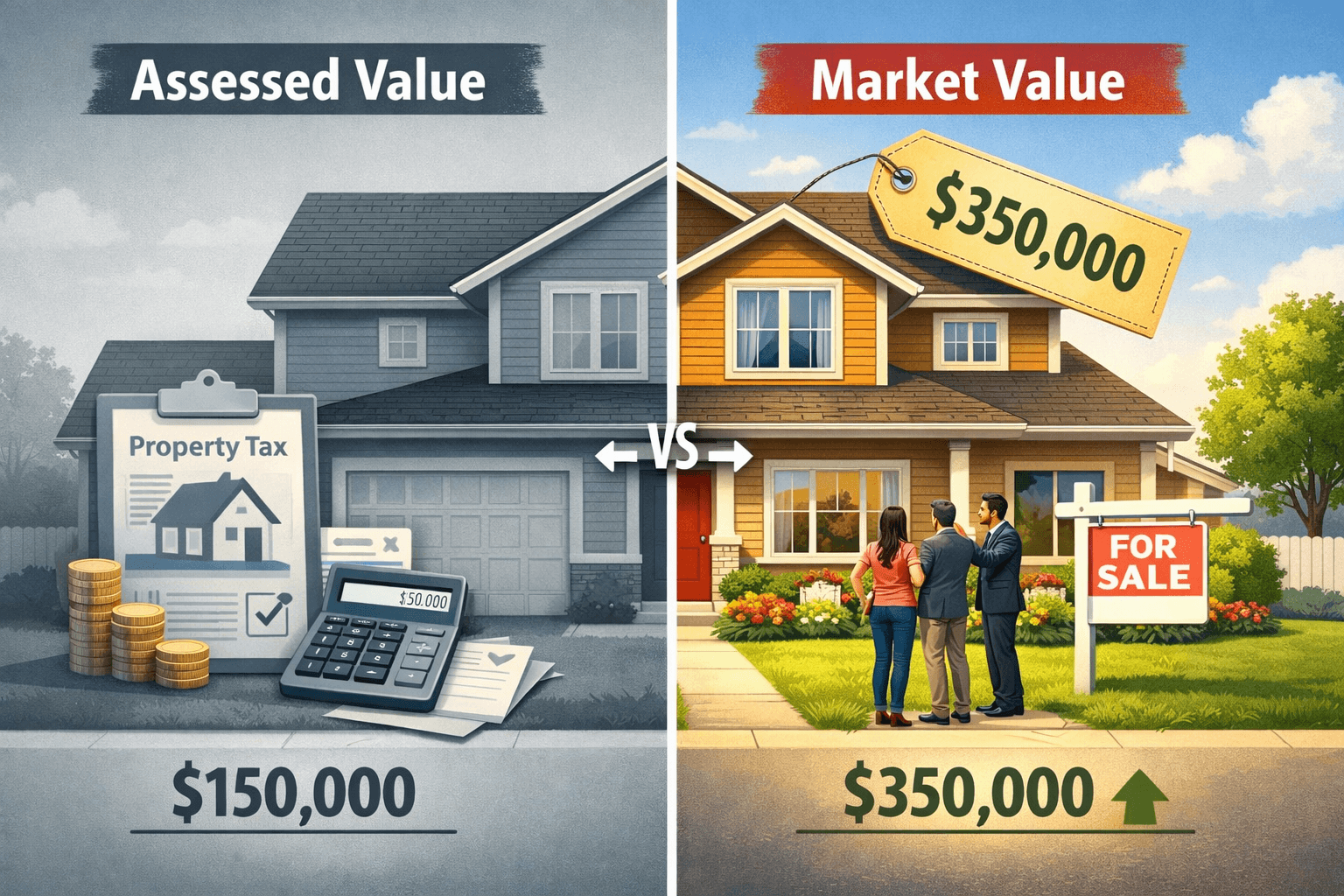
If you own a home in Ohio, you have likely seen two different numbers attached to your property: its assessed value and its market value. These figures can be confusing, especially when they are dramatically different from each other — which is common in Ohio. Understanding the distinction between assessed value and market value is essential whether you are planning to sell your home, appealing a property tax assessment, or simply trying to understand what your home is actually worth in Richland County.
What Is Assessed Value in Ohio?
In Ohio, assessed value is the value assigned to your property by the county auditor for the purpose of calculating property taxes. Under Ohio law, residential properties are assessed at 35 percent of their estimated market value.
For example, if the Richland County Auditor estimates that your home has a market value of $150,000, your assessed value for tax purposes would be $52,500 (35 percent of $150,000). Your property taxes are then calculated based on that assessed value multiplied by the applicable millage rate for your location.
Ohio conducts a sexennial reappraisal of all property values every six years, with an interim update at the three-year mark. The most recent update to Richland County property values reflects market conditions as of the triennial review.
What Is Market Value?
Market value is what a willing buyer would pay a willing seller for your property in an arm’s-length transaction — meaning neither party is under duress and both have reasonable knowledge of the relevant facts. It reflects actual demand for your home in the current real estate market.
Market value is determined by what buyers are actually paying for similar homes in your area. It fluctuates constantly with changing supply and demand, interest rates, economic conditions, and neighborhood trends. A licensed appraiser or experienced real estate agent can provide a current market value estimate based on recent comparable sales.
Why Are Assessed Value and Market Value Different?
In Ohio, the assessed value is intentionally set below market value — at 35 percent of the county’s estimated market value — as a mechanism for calculating taxes. But the county’s estimate of market value often lags behind or diverges from actual market conditions.
County auditors update their market value estimates on a triennial schedule, meaning those estimates can be months or years behind current market conditions. In a rising market, the county’s market value estimate may be below what your home would actually sell for. In a declining market, it may be above.
Additionally, county estimates are derived from mass appraisal techniques that apply generalized formulas to large groups of properties rather than conducting individual assessments of each home. This means the estimate can be inaccurate for any given property.
How Market Value Affects Your Sale Price in Richland County
When it comes time to sell your Richland County home, your assessed value has essentially no direct bearing on what you will receive. Buyers will pay based on current market conditions — what comparable homes are actually selling for, the condition of your specific property, and current demand in your neighborhood.
Do not make the mistake of using your assessed value or the county’s market value estimate as a guide for pricing or evaluating offers. A home listed by the county at a market value of $120,000 might sell for $155,000 in a strong market, or for $95,000 if it has significant deferred maintenance — regardless of the county’s estimate.
How Property Taxes Are Calculated in Richland County

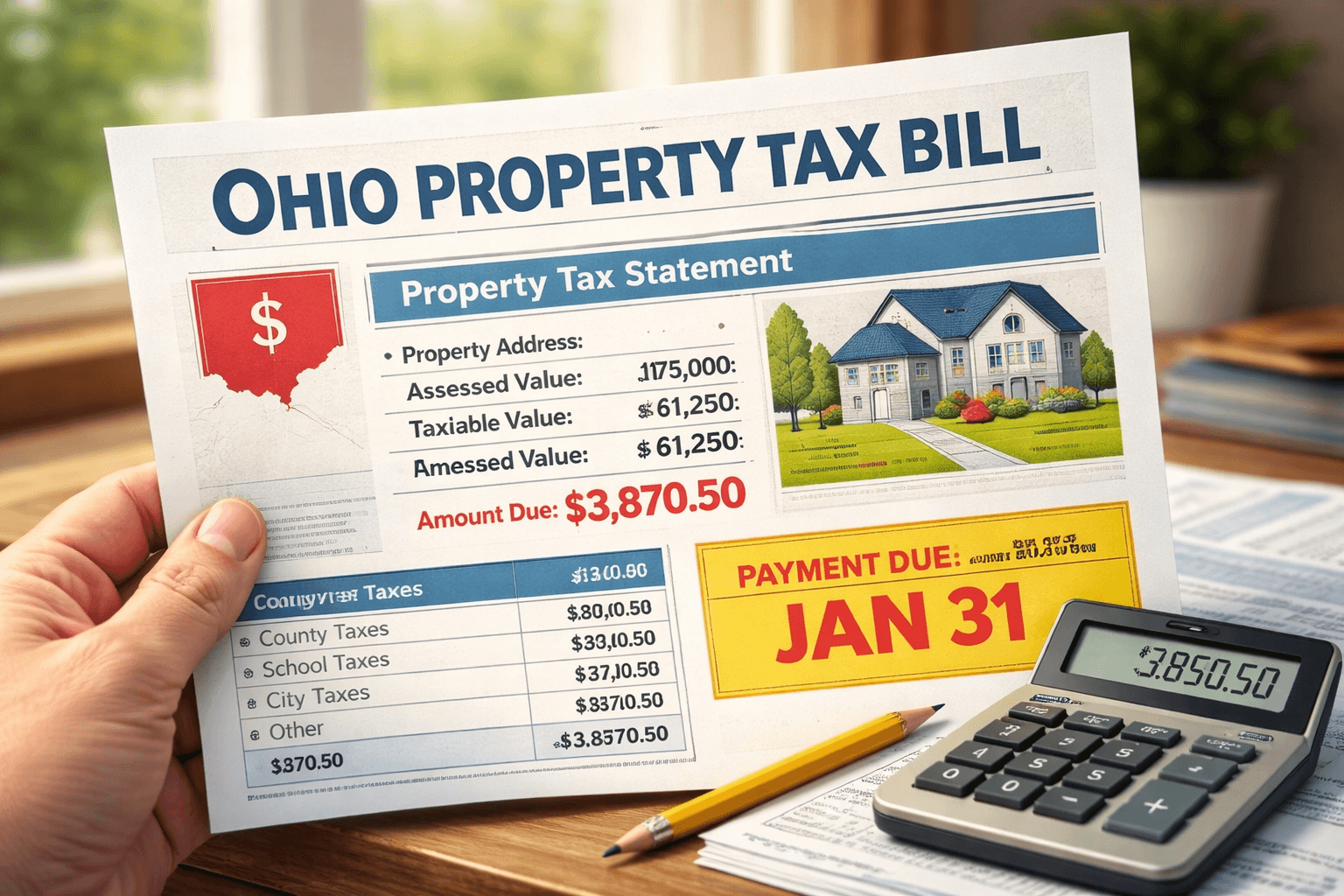
Your Richland County property tax bill is calculated by multiplying your assessed value (35% of the county’s estimated market value) by the applicable millage rate for your location. Millage rates vary by taxing district and include charges from the county, municipality, school district, and special assessment districts.
If you believe your county’s estimated market value is too high — and therefore your taxes are too high — you have the right to appeal. Ohio has a formal process for property tax appeals, and many homeowners successfully reduce their assessments by providing evidence of lower comparable sales.
How Cash Home Buyers View Your Property’s Value
When Richland County Home Buyers evaluates your property for a cash offer, we base our assessment on actual current market conditions — not the county’s assessed value or market value estimate. We analyze recent comparable sales in your neighborhood, inspect your property in person, and factor in any repairs or updates needed.
Our offer reflects what the real market supports for your specific property in its current condition. This is why our offers can vary significantly from county estimates in either direction, depending on the property.
Frequently Asked Questions
Does assessed value affect my home sale price in Ohio?
No. Your assessed value is used only for property tax purposes and has no direct bearing on what buyers will pay for your home. Sale price is determined by current market conditions and comparable sales.
Is the county’s estimated market value accurate?
County market value estimates in Ohio are based on mass appraisal techniques and are updated on a triennial schedule. They can lag behind current conditions significantly and may not reflect the specific characteristics of your individual property. They should not be used as a reliable guide for pricing or offer evaluation.
How do I find the true market value of my Richland County home?
The most reliable methods are a comparative market analysis from a local real estate agent, a professional appraisal, or requesting offers from reputable cash buyers who assess your property in person. For a free, in-person assessment, contact Richland County Home Buyers.
Can I appeal my property tax assessment in Ohio?
Yes. If you believe your county’s market value estimate is too high, you can file a complaint with the county Board of Revision. The deadline is typically March 31 of the year following the assessment. Supporting your appeal with comparable sales data from a real estate professional or appraiser is the most effective strategy.
Get a Market Value Assessment for Your Richland County Home
Richland County Home Buyers provides free, no-obligation cash offers based on real market data — not county estimates. Contact us today to find out what your home is actually worth in the current Richland County market.